
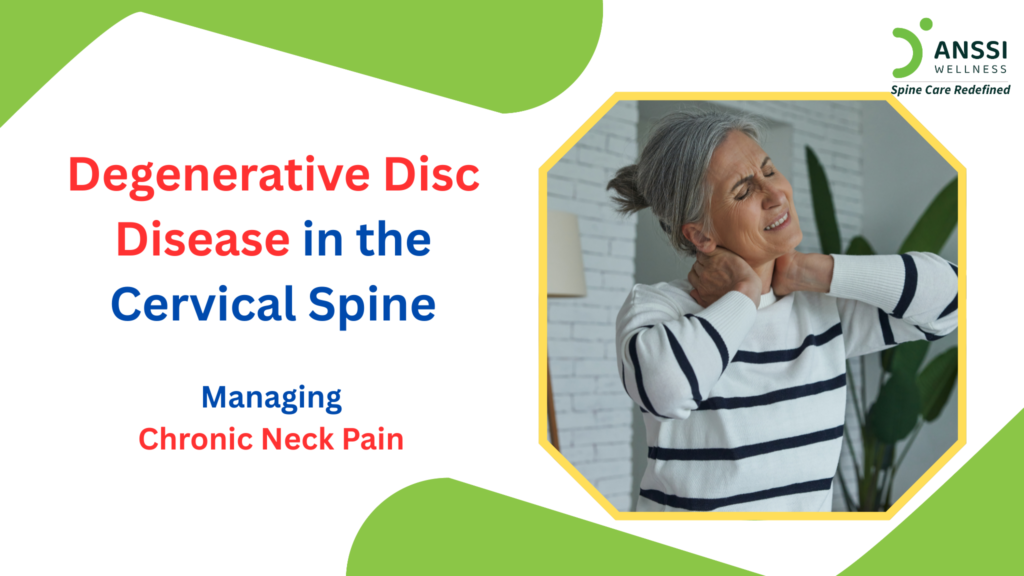
Degenerative Disc Disease (DDD) is a common spinal condition that develops gradually as spinal discs lose hydration, flexibility, and strength over time. While DDD can affect different areas of the spine, cervical Degenerative Disc Disease specifically affects the neck region and often creates symptoms that are very different from lower back problems.
In today’s modern lifestyle, prolonged screen time, desk jobs, poor posture, smartphone use, long travel hours, and lack of physical activity have significantly increased stress on the cervical spine. Many people ignore recurring neck stiffness or headaches until the condition begins affecting daily activities, sleep, and mobility.
Understanding how cervical DDD differs from lower back degeneration is important because neck-related nerve compression can affect the shoulders, arms, and even hand function. Early diagnosis and timely non-surgical treatment can help patients manage symptoms more effectively and reduce the risk of long-term complications.
Understanding Cervical Degenerative Disc Disease
The cervical spine consists of seven vertebrae located in the neck. Between these vertebrae are spinal discs that function as shock absorbers and support smooth neck movement.
These discs help:
- Cushion spinal movement
- Maintain flexibility
- Protect spinal nerves
- Support head movement and posture
As people age, spinal discs naturally lose water content and elasticity. Over time, the discs become weaker and thinner.
This degeneration may lead to:
- Reduced disc height
- Disc bulging
- Joint inflammation
- Muscle tension
- Cervical nerve compression
When nearby nerves become compressed, patients may experience pain and neurological symptoms extending beyond the neck region.
What Makes Cervical DDD Different From Lower Back DDD?
Although both cervical and lumbar DDD involve spinal degeneration, cervical DDD affects the body differently because of the neck’s unique structure and function.
Constant Head Support
The cervical spine continuously supports the weight and movement of the head throughout the day. Poor posture during computer use or smartphone viewing places additional strain on the neck.
Greater Mobility Requirements
The neck performs frequent movements, including:
- Rotation
- Flexion
- Extension
- Side bending
This constant mobility makes the cervical spine more vulnerable to stress and stiffness.
Sensitive Nerve Structures
The cervical spine contains nerves responsible for sensation and movement in the:
- Shoulders
- Arms
- Hands
- Fingers
Even mild nerve compression in the neck may cause symptoms radiating into the upper body.
Impact on Daily Function
Unlike lower back pain, cervical DDD may interfere more directly with:
- Computer work
- Driving
- Sleeping posture
- Concentration
- Upper body movement
This often makes neck pain particularly disruptive in professional and daily life.
Common Symptoms of Cervical DDD
Symptoms of cervical DDD may develop gradually or worsen over time, depending on the severity of degeneration and nerve involvement.
Common symptoms include:
- Chronic Neck Pain and Stiffness: Persistent discomfort and restricted movement are among the earliest signs.
- Headaches: Neck muscle tension and joint irritation may contribute to headaches, especially near the back of the head.
- Shoulder and Arm Pain: Compressed cervical nerves may cause pain radiating into the shoulders and arms.
- Tingling and Numbness: Patients may experience tingling sensations or numbness in the hands and fingers.
- Muscle Weakness: Nerve compression may reduce grip strength or arm muscle function.
- Reduced Neck Mobility: Turning the neck comfortably may become difficult.
- Dizziness: Some patients experience dizziness or balance-related discomfort due to cervical muscle tension and nerve irritation.
Daily Challenges Faced by Patients
Living with cervical DDD can become physically and emotionally exhausting.
Difficulty Working on Computers
Prolonged screen use often increases neck strain and stiffness.
Pain During Driving and Travel
Maintaining a fixed neck posture for long periods may worsen symptoms.
Sleep Disturbance
Neck pain often interferes with comfortable sleeping positions.
Reduced Productivity
Persistent pain and headaches may affect concentration and work performance.
Difficulty Lifting Objects
Arm weakness or radiating pain may limit daily physical activities.
Emotional Stress
Chronic pain frequently affects mood, confidence, and overall quality of life.
Diagnosis and Early Medical Attention
Early diagnosis is important because untreated cervical nerve compression may gradually worsen.
Medical evaluation usually includes:
Physical Examination
Doctors assess:
- Neck movement
- Muscle strength
- Reflexes
- Pain patterns
- Posture
Imaging Tests
MRI and X-rays help identify:
- Disc degeneration
- Disc bulging
- Joint changes
- Nerve compression severity
Neurological Evaluation
Nerve testing may help evaluate arm strength, sensation, and neurological function.
Early diagnosis allows doctors to create personalised treatment plans before severe spinal damage develops.
Non-Surgical Treatment Approaches
Many cervical DDD patients can benefit from comprehensive non-surgical treatment programs focused on reducing spinal pressure and improving function naturally.
Physiotherapy and Cervical Rehabilitation
Physiotherapy may help:
- Strengthen neck muscles
- Improve posture
- Increase flexibility
- Reduce stiffness
- Posture Correction and Ergonomic Guidance
Correct sitting posture and workstation setup reduce ongoing strain on the cervical spine.
Lifestyle Modifications
Doctors may recommend:
- Reducing prolonged screen time
- Taking movement breaks
- Maintaining physical activity
- Weight management
- Stretching and Strengthening Exercises
Controlled exercises help support cervical stability and mobility.
Pain Management Therapies
Pain management techniques may temporarily reduce inflammation and discomfort during rehabilitation.
Advanced Non-Surgical Spinal Decompression Treatment
One of the advanced non-invasive treatment options available today is Non-Surgical Spinal Decompression Treatment. This treatment uses specialised technology to gently stretch the cervical spine in a controlled manner, creating negative pressure within spinal discs.
This negative pressure may help:
- Reduce disc bulging
- Relieve cervical nerve pressure
- Improve nutrient flow into damaged discs
- Support natural spinal healing
Unlike surgery, spinal decompression is non-invasive and generally does not require prolonged recovery time.
Benefits of Early Non-Surgical Care
Seeking treatment early offers several important advantages.
- Reduced Pain and Inflammation: Early intervention may prevent worsening nerve irritation.
- Improved Mobility and Posture: Patients often regain better neck movement and spinal alignment.
- Better Daily Comfort: Reducing pain may improve work performance, sleep, and overall quality of life.
- Reduced Medication Dependency: Root-cause-focused treatment may reduce reliance on long-term painkillers.
- Potential to Avoid Surgery: Managing degeneration early may help many patients avoid invasive procedures.
About ANSSI:
ANSSI Wellness focuses on improving the quality of life for patients suffering from spinal issues, aiming to provide relief where other conventional treatments have failed. Through advanced Non-Surgical Spinal Decompression Treatment, ANSSI is committed to helping patients avoid surgery and recover in a safe, effective, and compassionate environment.
Book Consultation:
Call +91 9004726844 | 9920936844
Visit www.anssiwellness.com
Connect with ANSSI Wellness on LinkedIn, Instagram, and Facebook for expert guidance.