
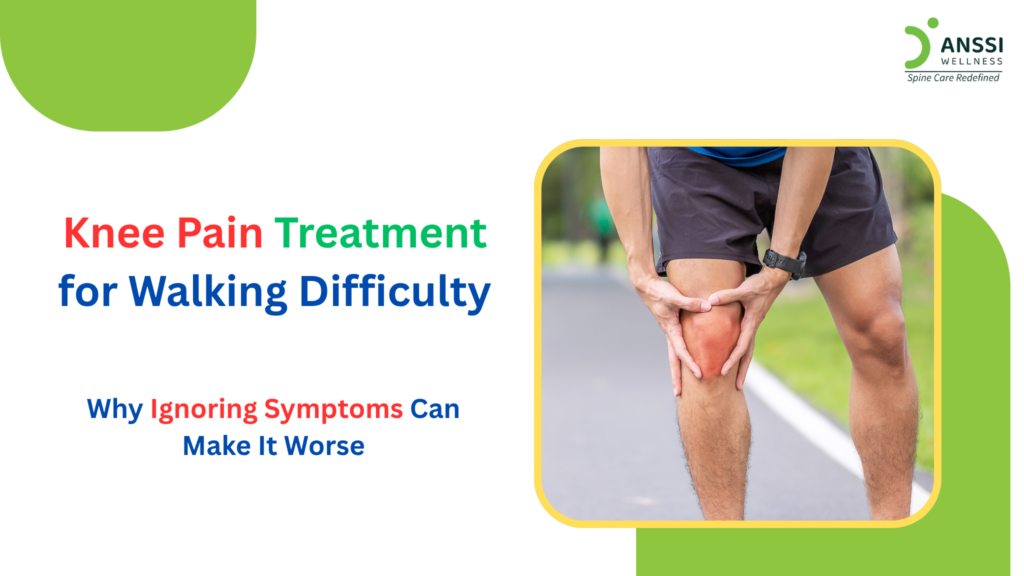
Walking is one of the most basic and essential human activities. When knee pain starts interfering with your ability to walk comfortably, it can quickly affect your independence, daily routine, and overall quality of life.
Many people initially ignore mild knee pain, assuming it is temporary or caused by fatigue. However, when walking becomes painful or difficult, it is often a sign of an underlying issue that requires attention.
Ignoring knee pain can allow the condition to worsen over time, leading to reduced mobility and, in some cases, the need for more invasive treatments. The good news is that early intervention and non-surgical treatments can help manage knee pain effectively and restore comfortable movement.
When Walking Becomes Painful
Knee pain while walking is often one of the earliest warning signs of joint problems. It may start as mild discomfort but can gradually progress into persistent pain that limits daily activities such as climbing stairs, standing for long periods, or even walking short distances.
In a healthy knee joint, cartilage acts as a cushion between bones, allowing smooth and pain-free movement. However, when this cushioning is damaged or when the joint is under excessive stress, movement becomes painful.
Many individuals delay treatment, hoping the pain will resolve on its own. Unfortunately, untreated knee pain often worsens, making early diagnosis and proper care essential.
Common Causes of Knee Pain While Walking
Several conditions can cause knee pain and difficulty while walking. One of the most common causes is Osteoarthritis. This condition occurs when the cartilage in the knee gradually wears down, causing bones to rub against each other and leading to pain, stiffness, and swelling.
In addition to osteoarthritis, knee pain may also result from injuries such as ligament tears or meniscus damage. These injuries can affect the stability of the knee joint and make movement uncomfortable.
Other contributing factors include:
- Obesity, which increases pressure on the knee joints
- Repetitive strain from running or stair climbing
- Weak muscles around the knee, reducing joint support
- Poor alignment or posture affecting how the weight is distributed across the joint
These factors can place continuous strain on the knee, making walking increasingly difficult over time.
Symptoms That Should Not Be Ignored
Knee pain associated with walking often presents with additional symptoms that indicate a more serious underlying problem. Early detection of these symptoms can help stop additional harm.
Common symptoms include:
- Pain while walking, especially on uneven surfaces or stairs
- Knee stiffness or trouble bending and straightening
- Swelling around the joint
- Clicking, popping, or grinding sensations during movement
- A feeling that the knee may give way or become unstable
These symptoms can gradually worsen if left untreated, leading to increased discomfort and reduced mobility.
Why Ignoring Knee Pain Can Make It Worse
Many people tend to ignore knee pain until it becomes severe. However, delaying treatment can lead to progressive joint damage.
When knee pain is left untreated, the underlying condition, such as cartilage wear or joint inflammation, continues to worsen. Over time, this can lead to:
- Increased cartilage damage
- Reduced joint space
- Chronic inflammation and stiffness
- Decreased mobility and flexibility
As the condition progresses, daily activities such as walking, standing, or climbing stairs can become increasingly difficult.
In advanced cases, patients may require more aggressive treatments, including surgery. This is why early intervention is critical for preventing long-term complications.
Non-Surgical Treatments for Knee Pain
The good news is that many cases of knee pain can be managed effectively with non-surgical treatments. These approaches focus on reducing pain, improving joint function, and preventing further damage.
Physiotherapy and Strengthening Exercises
Physiotherapy is one of the most effective ways to manage knee pain. Targeted exercises help strengthen the muscles surrounding the knee, including the quadriceps and hamstrings.
Stronger muscles provide better support to the joint, reducing stress on the damaged areas. Physiotherapy also improves flexibility, balance, and overall mobility.
A physiotherapist may also guide patients on proper movement techniques to avoid further strain on the knee.
Lifestyle Modifications
Simple lifestyle changes can significantly reduce knee pain and improve walking ability. Maintaining a healthy weight is especially important, as excess weight increases pressure on the knee joints.
Other helpful changes include:
- Avoiding high-impact activities that strain the knees
- Using supportive footwear
- Incorporating low-impact exercises such as swimming or cycling
- Taking regular breaks when standing or walking for extended periods of time
These adjustments can help reduce stress on the knee and support long-term joint health.
Knee Decompression Treatment
An advanced non-surgical option for chronic knee pain is knee decompression treatment. This treatment is designed to reduce pressure within the knee joint.
When the knee joint is compressed, it can accelerate cartilage damage and increase pain. Knee decompression treatment uses specialised technology to gently separate the joint surfaces, improving circulation and reducing pressure on the affected areas.
Benefits of knee decompression treatment may include:
- Reduced joint pressure
- Improved mobility
- Enhanced circulation within the knee
- Support for natural healing
This treatment is often combined with physiotherapy and lifestyle changes to provide better results.
About ANSSI:
ANSSI Wellness focuses on improving the quality of life for patients suffering from spinal issues, aiming to provide relief where other conventional treatments have failed. Through Advanced Knee Rehabilitation Treatment, ANSSI is committed to helping patients avoid surgery and recover in a safe, effective, and compassionate environment.
Connect with ANSSI Wellness on LinkedIn, Instagram, and Facebook for expert guidance.