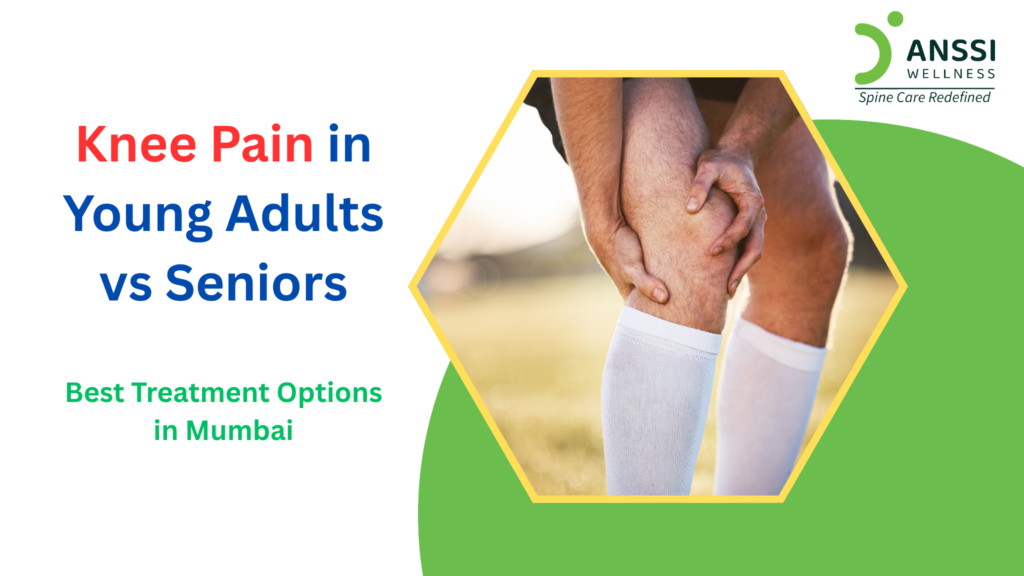
Chronic knee pain is often associated with ageing, but it is increasingly affecting younger adults as well. In a fast-paced city like Mumbai, where long working hours, sedentary lifestyles, heavy commuting, and limited time for physical activity are common, knee problems are becoming more prevalent across all age groups.
Whether it affects a young professional trying to stay active or a senior citizen hoping to maintain independence, chronic knee pain can significantly impact mobility, productivity, and overall quality of life. While the causes of knee pain may differ between young adults and seniors, one thing remains the same: early diagnosis and appropriate treatment are essential for preventing long-term joint damage.
Today, modern non-surgical treatment approaches, including Advanced Knee Rehabilitation Programs that incorporate knee decompression technology, are offering new hope to patients seeking long-term relief without surgery.
Understanding Knee Pain in Young Adults
Many people assume that knee pain only affects older individuals. However, knee pain among young adults has become increasingly common due to changing lifestyles and physical demands.
Common Causes of Knee Pain in Young Adults
- Sports Injuries: Participation in sports and fitness activities can sometimes lead to injuries involving ligaments, cartilage, tendons, or the meniscus.
- Overuse Injuries: Repeated stress from running, jumping, cycling, or gym workouts may gradually irritate knee structures.
- Obesity: Excess body weight places additional pressure on the knee joints, accelerating wear and tear.
- Poor Exercise Techniques: Improper training methods and inadequate warm-up routines may increase the risk of knee injuries.
- Early Cartilage Degeneration: In some cases, repetitive stress may begin damaging the cartilage even at a younger age.
Impact on Daily Life
For young adults, knee pain can interfere with:
- Sports participation
- Fitness goals
- Workplace productivity
- Daily commuting
- Recreational activities
Persistent pain may also affect confidence and mental well-being, especially when mobility becomes limited.
Understanding Knee Pain in Seniors
Among senior citizens, knee pain is more commonly associated with age-related joint degeneration.
Common Causes of Knee Pain in Seniors
- Osteoarthritis: Osteoarthritis is one of the leading causes of chronic knee pain in older adults. It develops when the protective cartilage cushioning the knee gradually wears away.
- Cartilage Degeneration: Age-related cartilage breakdown reduces the joint’s ability to absorb shock during movement.
- Joint Inflammation: Inflammation within the knee joint may contribute to pain, stiffness, and swelling.
- Reduced Muscle Strength: As muscles weaken with age, the knee joint receives less support, increasing strain on joint structures.
Impact on Daily Life
For seniors, chronic knee pain can create significant challenges, including:
- Difficulty walking
- Problems climbing stairs
- Reduced independence
- Increased fall risk
- Limited participation in social activities
When left untreated, chronic knee pain may gradually reduce a person’s ability to perform everyday tasks comfortably.
Common Symptoms Requiring Medical Attention
Regardless of age, certain symptoms should never be ignored.
These include:
Persistent Knee Pain
Pain that continues for several weeks despite rest requires medical evaluation.
Swelling and Stiffness
Persistent swelling may indicate inflammation or structural damage within the joint.
Grinding or Clicking Sounds
Unusual sounds during movement may suggest cartilage degeneration or joint changes.
Reduced Range of Motion
Difficulty bending or straightening the knee can indicate underlying joint problems.
Difficulty Bearing Weight
Pain while standing or walking may suggest significant joint involvement.
Early medical attention can help identify the cause before the condition worsens.
Diagnosis and Personalised Assessment
Successful treatment begins with an accurate diagnosis.
A comprehensive evaluation typically includes:
Clinical Examination
Doctors assess:
- Pain location
- Joint stability
- Swelling
- Mobility
- Muscle strength
Imaging Studies
X-rays and MRI scans help identify:
- Cartilage damage
- Osteoarthritis
- Ligament injuries
- Meniscus tears
- Joint degeneration
Functional Mobility Assessment
Movement analysis helps determine how knee pain affects daily activities and mobility.
A personalised assessment allows doctors to recommend the most appropriate treatment strategy.
Modern Knee Treatment Options
Treatment depends on the patient’s age, activity level, diagnosis, and severity of symptoms.
Conservative Management
Many patients benefit from non-surgical treatments that focus on reducing pain and improving joint function.
Physiotherapy
Physiotherapy helps strengthen muscles surrounding the knee and improve joint stability.
Weight Management
Reducing excess body weight can significantly decrease pressure on the knee joints.
Activity Modification
Adjusting physical activities helps prevent further joint damage while maintaining mobility.
Strengthening Exercises
Targeted exercises improve muscle support and reduce stress on the knee.
While these approaches can be beneficial, patients with chronic knee degeneration often require a more comprehensive rehabilitation strategy.
Advanced Knee Rehabilitation Program
Modern knee care has evolved beyond basic pain management. Advanced Knee Rehabilitation Programs now provide a structured and personalised approach to long-term knee health.
These programs typically combine:
- Detailed diagnostic assessment
- Physiotherapy
- Muscle strengthening
- Flexibility training
- Functional rehabilitation
- Lifestyle guidance
Knee Decompression Technology
One of the key components of advanced rehabilitation is knee decompression technology.
This modern treatment approach is designed to gently reduce pressure within the knee joint. By creating space between joint surfaces, decompression may help:
- Reduce mechanical stress on damaged cartilage
- Improve joint movement
- Enhance circulation within the joint
- Support the body’s natural recovery processes
Because it is non-surgical, knee decompression can often be integrated into a broader rehabilitation program without the risks associated with invasive procedures.
Benefits of Advanced Knee Rehabilitation Programs
Patients may experience several benefits from a comprehensive rehabilitation approach.
Non-Surgical Care
Treatment is designed to avoid the risks and recovery time associated with surgery whenever possible.
Reduced Joint Stress
Decompression and rehabilitation techniques aim to decrease pressure on affected knee structures.
Improved Mobility and Function
Patients often experience better movement and greater confidence in daily activities.
Enhanced Quality of Life
Reduced pain can improve participation in work, exercise, family activities, and social life.
Potential for Long-Term Relief
By addressing underlying joint dysfunction and muscle weakness, rehabilitation programs focus on sustainable improvement rather than temporary symptom control.
About ANSSI:
ANSSI Wellness focuses on improving the quality of life for patients suffering from knee issues, aiming to provide relief where other conventional treatments have failed. Through Advanced Knee Rehabilitation Treatment, ANSSI is committed to helping patients avoid surgery and recover in a safe, effective, and compassionate environment.
Book Consultation:
Call +91 9004726844 | 9920936844
Visit www.anssiwellness.com
Connect with ANSSI Wellness on LinkedIn, Instagram, and Facebook for expert guidance.