
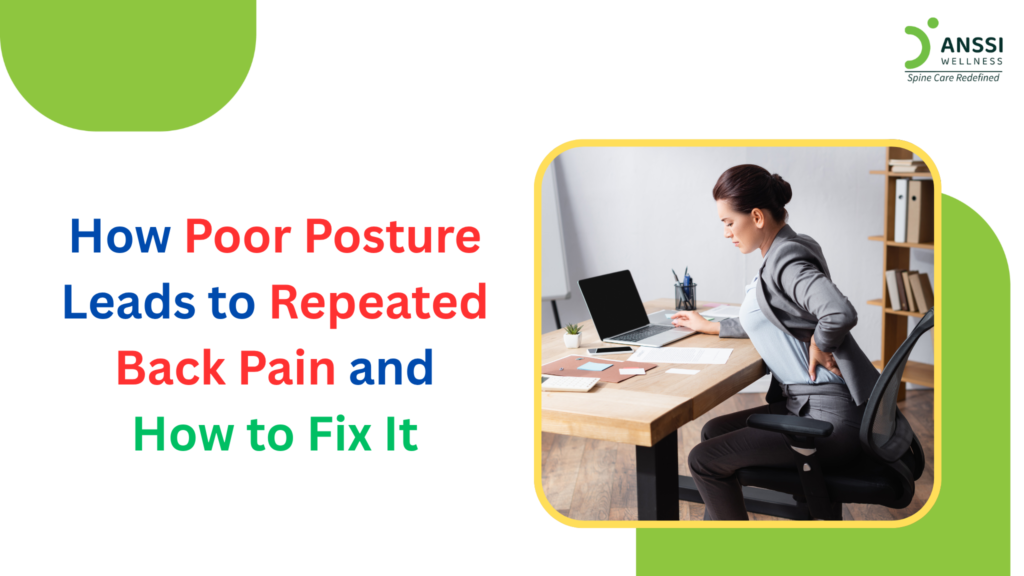
Back pain has become one of the most common health complaints in modern lifestyles. Office workers, students, drivers, and people who spend long hours using computers or smartphones frequently experience persistent discomfort in the neck and lower back. While many people blame stress or ageing, one of the biggest hidden causes of repeated back pain is poor posture.
The way we sit, stand, walk, and use digital devices directly affects spinal health. Incorrect posture places excessive pressure on the spine, muscles, and joints, leading to chronic pain over time. Unfortunately, many people ignore posture-related issues until the pain becomes severe enough to affect work, sleep, and daily activities.
The good news is that posture-related back pain can often be managed and prevented through proper habits, early treatment, and non-surgical spine care.
How Poor Posture Causes Repeated Back Pain
The spine is designed to maintain balance and support body movement efficiently. When posture is correct, body weight is distributed evenly across the muscles and joints. However, poor posture disrupts this balance and increases strain on the spine.
Forward Head Posture and Slouching
One of the most common posture problems today is forward head posture caused by prolonged mobile phone and laptop use. Constantly bending the neck forward increases pressure on the cervical spine and upper back muscles.
Slouching while sitting also puts excessive pressure on the lower back discs and weakens spinal support structures.
Increased Pressure on Spinal Discs
Poor posture compresses spinal discs unevenly. Over time, this may contribute to disc bulges, slipped discs, nerve compression, and chronic back pain.
Muscle Imbalance and Stiffness
Incorrect posture causes some muscles to become tight while others weaken. This imbalance reduces spinal stability and increases the risk of repeated pain episodes.
Sedentary Lifestyle and Prolonged Sitting
Sitting for long periods without movement reduces blood circulation and weakens the muscles supporting the spine. This makes posture-related pain even worse.
Without correction, these issues can gradually progress into chronic spinal conditions.
Common Poor Posture Habits to Avoid
Many everyday habits unknowingly damage spinal health.
- Sitting Without Lower Back Support: Using chairs without proper lumbar support places continuous stress on the lower back.
- Looking Down at Mobile Phones: “Text neck” caused by constantly looking down at phones increases strain on the neck and upper spine.
- Incorrect Workstation Setup: Improper screen height, poor keyboard placement, and sitting too long without breaks contribute significantly to posture-related pain.
- Standing or Lifting Incorrectly: Standing unevenly, leaning on one side, or lifting heavy objects with poor body mechanics increases pressure on spinal structures.
Recognising and correcting these habits early can help prevent long-term spinal problems.
Symptoms and Warning Signs
Poor posture often causes symptoms gradually, making them easy to ignore initially.
- Persistent Back or Neck Pain: Chronic stiffness and discomfort in the neck, shoulders, or lower back are common warning signs.
- Pain After Long Hours of Sitting: Pain that worsens after office work, studying, or driving may indicate posture-related spinal stress.
- Headaches and Shoulder Tension: Poor neck posture can trigger headaches and tightness in the shoulders and upper back.
- Numbness and Tingling: In advanced cases, spinal pressure may irritate nerves, causing tingling or numbness in the arms or legs.
- Difficulty Moving Comfortably: Reduced flexibility, pain while bending, or disturbed sleep are signs that medical evaluation may be necessary.
If symptoms continue for weeks or begin affecting daily activities, consulting a spine specialist is important.
How to Improve Posture and Prevent Back Pain
Correcting posture requires a combination of awareness, movement, and strengthening.
Ergonomic Workstation Adjustments
Keeping the computer screen at eye level, using supportive chairs, and maintaining proper keyboard position can reduce spinal strain significantly.
Stretching and Strengthening Exercises
Regular stretching improves flexibility, while strengthening exercises support the spine and improve posture.
Strong back and abdominal muscles stabilise the spine, making core strengthening workouts particularly crucial.
Take Regular Movement Breaks
Avoid sitting continuously for long hours. Standing, stretching, and walking every 30-45 minutes can improve circulation and reduce stiffness.
Maintain Healthy Body Weight
Excess body weight increases pressure on the spine and contributes to poor posture. Maintaining a healthy weight supports better spinal alignment.
Practise Proper Body Mechanics
Learning how to lift objects correctly and maintain neutral posture while standing or sitting reduces stress on spinal discs and joints.
Non-Surgical Treatments for Long-Term Relief
When posture-related pain becomes chronic, professional treatment may be required.
Physiotherapy and Posture Correction Programs
Physiotherapy helps strengthen weakened muscles, improve flexibility, and restore correct movement patterns. Posture correction programs train patients to maintain healthier spinal alignment during daily activities.
Pain Management Without Long-Term Medication
While painkillers may provide temporary relief, long-term dependency is not ideal. Non-surgical care focuses on addressing the root cause through rehabilitation, posture correction, and strengthening.
Personalised Rehabilitation and Lifestyle Guidance
Each patient’s posture habits and spinal condition are different. Personalised treatment plans ensure targeted recovery and long-term prevention.
Non-Surgical Spinal Decompression Treatment
For patients with disc-related pain or nerve compression caused by poor posture, non-surgical spinal decompression treatment may help. This advanced treatment gently stretches the spine in a controlled manner to reduce disc pressure and support natural healing.
Book Consultation:
Call +91 9004726844 | 9920936844
Visit www.anssiwellness.com
References:
- Lewis, A., Morris, M. E., & Walsh, C. (2008). Are physiotherapy exercises effective in reducing chronic low back pain? Physical Therapy Reviews, 13(1), 37–44.
- Outcomes After a Prone Lumbar Traction Protocol for Patients With Activity-Limiting Low Back Pain: A Prospective Case Series Study. Paul F. Beattie, PhD, PT, OCS, Roger M. Nelson, PhD, PT, Lori A. Michener, PhD, PT, ATC, SCS, Joseph Cammarata, DC, Jonathan Donley, DPT. Archives of Physical Medicine And Rehabilitation, Volume 89, February 2008.
About ANSSI:
ANSSI Wellness focuses on improving the quality of life for patients suffering from spinal issues, aiming to provide relief where other conventional treatments have failed. Through advanced Non-Surgical Spinal Decompression Treatment, ANSSI is committed to helping patients avoid surgery and recover in a safe, effective, and compassionate environment.
Connect with ANSSI Wellness on LinkedIn, Instagram, and Facebook for expert guidance.