
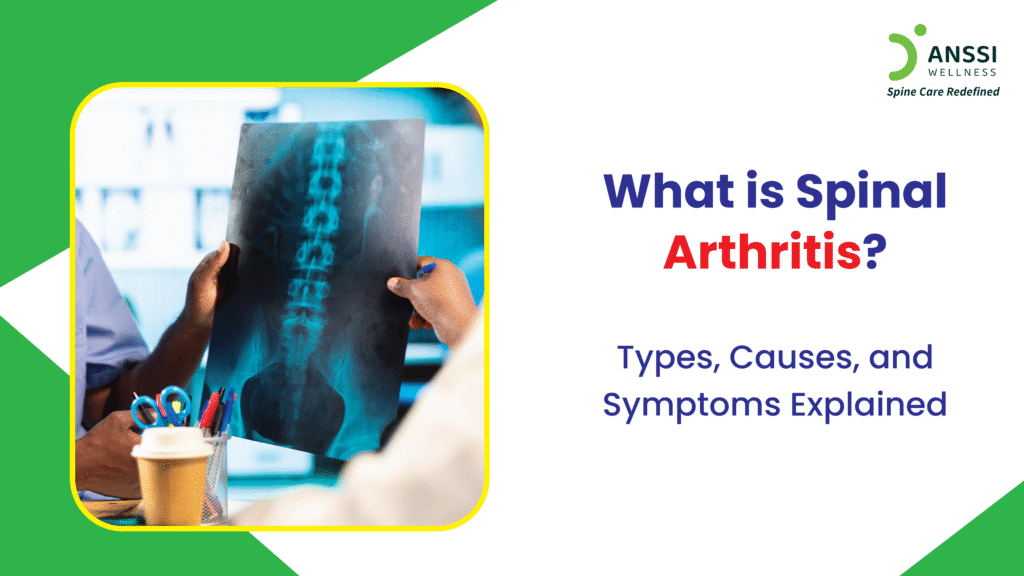
Spinal health plays a vital role in your overall well-being, and one of the most common conditions that can affect it is spinal arthritis. This condition leads to chronic pain, stiffness, and reduced mobility, often interfering with everyday activities like standing, walking, or even sitting.
Understanding what spinal arthritis is, the different types that affect people, and how to identify early symptoms can help you take informed steps toward timely treatment and long-term relief.
What is Spinal Arthritis?
Spinal arthritis refers to inflammation or degeneration in the joints of the spine, including the vertebrae, facet joints, and surrounding soft tissues. The condition may develop gradually over the years or may stem from autoimmune causes.
While many people view arthritis as something that affects the hands or knees, the spine is equally susceptible and, in many cases, more debilitating due to its central role in movement and posture.
Spinal arthritis can be chronic in nature, and the earlier it is diagnosed, the better the chances of preventing long-term damage to the spine.
Types of Spinal Arthritis
Several types of arthritis can affect the spine. Understanding the differences helps patients identify symptoms early and seek appropriate treatment.
1. Osteoarthritis (Degenerative Arthritis)
The most common type of arthritis affecting the spine, osteoarthritis, occurs due to wear-and-tear of cartilage in the facet joints. Over the years, cartilage breaks down, causing bones to rub against each other. This leads to pain, stiffness, inflammation, and sometimes the formation of bone spurs.
Osteoarthritis usually affects people after the age of 40, but sedentary lifestyles and long sitting hours have caused younger individuals to experience symptoms as well.
2. Rheumatoid Arthritis (RA)
RA is an autoimmune condition where the immune system mistakenly attacks the lining of the joints. When it affects the spine, typically the cervical spine (neck region), patients may experience severe inflammation, swelling, and even joint deformities. Unlike osteoarthritis, RA can occur at any age and often affects multiple joints simultaneously.
3. Ankylosing Spondylitis (AS)
AS is a chronic inflammatory form of arthritis that primarily affects the lower back and sacroiliac joints. Over time, the inflammation can cause some vertebrae to fuse, leading to difficulty in bending, chronic stiffness, and significantly reduced mobility. AS is more common in younger adults, especially men, and often begins between ages 20 and 40.
4. Psoriatic Arthritis
Individuals with psoriasis may develop psoriatic arthritis, which can affect the spine and sacroiliac joints. Symptoms include stiffness, swelling, and radiating pain. Psoriatic arthritis may flare up and subside periodically, making early detection important.
5. Other Spondyloarthropathies
This group includes several inflammatory disorders that cause pain at the junction of the spine and pelvis. They often involve the immune system and may be triggered by genetic factors or inflammatory responses.
Causes and Risk Factors
Spinal arthritis can develop from multiple underlying causes. While some are related to ageing, others are tied to lifestyle, genetics, or immune function.
- Age-Related Degeneration: As people age, the cushioning cartilage in spinal joints naturally wears down. This is the leading cause of osteoarthritis.
- Autoimmune Disorders: Conditions like RA and ankylosing spondylitis occur when the body’s immune system mistakenly attacks healthy tissues, causing inflammation.
- Genetics: A family history of arthritis or related conditions significantly increases the risk, especially for autoimmune forms such as AS.
- Obesity: Excess weight puts additional stress on the spine, accelerating cartilage breakdown.
- Past Injuries: Spinal trauma, even from years earlier, can increase the likelihood of arthritis developing later.
- Sedentary Lifestyle: Long hours of sitting, especially with poor posture, reduce spinal mobility and contribute to earlier degeneration of spinal joints.
- Occupational Strain: Jobs that involve repetitive lifting, twisting, long sitting hours, or continuous computer use can speed up wear-and-tear in the spinal joints.
Common Symptoms of Spinal Arthritis
The symptoms of spinal arthritis vary depending on the type and specific area of the spine affected.
However, common signs include:
1. Chronic Back or Neck Pain
Persistent achy pain that worsens with activity or prolonged sitting is one of the early signs of spinal arthritis.
2. Stiffness in the Spine
Many patients experience difficulty bending, twisting, or straightening their back, especially in the morning or after long rest periods.
3. Reduced Flexibility
Over time, inflammation and joint degeneration restrict movement, making daily tasks challenging.
4. Swelling or Warmth in Joints
Inflamed spinal joints may feel tender, warm, or swollen.
5. Radiating Pain or Nerve Symptoms
In some cases, arthritis causes bone spurs or inflammation that compresses nerves. This may lead to:
- Leg pain (sciatica)
- Numbness or tingling
- Weakness in arms or legs
6. Morning Stiffness That Improves With Movement
This is particularly common in inflammatory types of arthritis, such as AS.
Importance of Early Diagnosis
Early diagnosis of spinal arthritis can significantly improve long-term outcomes.
Delaying care may lead to:
- Increased stiffness
- Permanent joint damage
- Persistent nerve compression
- Reduced mobility
- Chronic inflammation
Identifying symptoms early allows you to adopt lifestyle changes, undergo physiotherapy, begin medical treatment, and explore non-surgical care options that help manage symptoms and prevent progression.
About ANSSI:
ANSSI Wellness focuses on improving the quality of life for patients suffering from spinal issues, aiming to provide relief where other conventional treatments have failed. Through advanced Non-Surgical Spinal Decompression Treatment, ANSSI is committed to helping patients avoid surgery and recover in a safe, effective, and compassionate environment.
Connect with ANSSI Wellness on LinkedIn, Instagram, and Facebook for expert guidance.