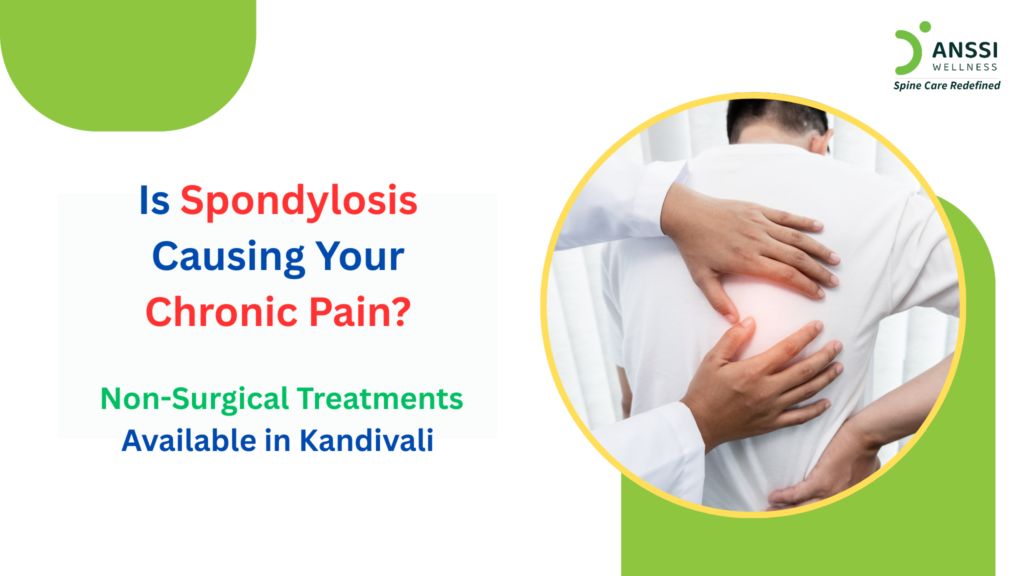
Spondylosis is one of the most common age-related spine conditions, yet it is no longer limited to the elderly. Today, working professionals with desk-bound jobs, long commuting hours, and sedentary lifestyles are increasingly experiencing symptoms of spondylosis at an early age.
This degenerative condition affects the spine’s discs, joints, and surrounding structures, gradually leading to stiffness, pain, and reduced mobility. When left untreated, spondylosis can progress silently and become a major cause of chronic neck or back pain, significantly affecting daily life, productivity, and overall well-being.
Causes and Early Symptoms of Spondylosis
Spondylosis develops due to the gradual wear and tear of the spine over time. One of the primary causes is disc degeneration, where spinal discs lose hydration and elasticity with age. As discs dry out and thin, they become less effective at absorbing shock, increasing stress on the vertebrae. This process often leads to the formation of bone spurs (osteophytes), which can irritate nearby nerves.
Lifestyle factors also play a significant role. Poor posture, prolonged sitting, excessive screen time, lack of physical activity, and weak core muscles place continuous strain on the cervical and lumbar spine. Over time, these stresses accelerate degenerative changes, increasing the risk of both cervical spondylosis (neck) and lumbar spondylosis (lower back).
In the early stages, symptoms are often subtle and easy to ignore. These may include:
- Persistent neck or lower back stiffness
- Reduced flexibility, especially in the morning
- Mild, recurring pain after long hours of sitting or activity
- Occasional discomfort during movement
At this stage, many people dismiss the pain as routine fatigue or ageing, missing the opportunity for early intervention.
Progression of Cervical and Lumbar Spondylosis
If spondylosis is not managed early, degenerative changes continue to worsen. Disc space reduction and bone spur formation can narrow the spinal canal or nerve openings, leading to nerve compression. This marks the transition from mild discomfort to chronic and often debilitating pain.
Advanced symptoms of cervical and lumbar spondylosis may include:
- Pain radiating into the arms, shoulders, legs, or buttocks
- Numbness or tingling sensations in the limbs
- Muscle weakness affecting grip strength or walking ability
- Reduced range of motion and stiffness that limits daily activities
- Difficulty standing, sitting, or sleeping comfortably
In severe cases, prolonged nerve compression can impact coordination and balance, making everyday tasks challenging. At this stage, spondylosis significantly interferes with quality of life and requires specialised spine care.
Limitations of Medication and Surgery
A common approach to managing spondylosis-related pain is long-term medication. Painkillers, anti-inflammatory drugs, and muscle relaxants may provide temporary relief, but they do not address the underlying cause, degenerative disc changes and nerve compression. Prolonged medication use also carries risks such as gastric issues, kidney strain, dependency, and reduced effectiveness over time.
Surgery is often suggested when pain becomes severe, but it is not always the ideal solution. Spine surgery involves inherent risks, including infection, nerve damage, long recovery periods, and high costs. Moreover, surgery does not guarantee permanent relief, especially when degenerative changes continue in adjacent spinal segments. For many patients, invasive procedures may lead to further complications rather than long-term recovery.
Non-Surgical Treatment Options for Spondylosis
Modern spine care focuses on treating spondylosis safely and effectively through non-surgical, non-invasive treatments. These approaches aim to relieve nerve pressure, improve spinal alignment, restore mobility, and support natural healing—without surgery or long-term medication.
One of the most advanced options is Non-Surgical Spinal Decompression Treatment. This treatment gently stretches the spine using specialised technology to create negative pressure within the spinal discs.
This process:
- Reduces pressure on compressed nerves
- Helps bulging or degenerated discs rehydrate and heal
- Improves blood flow and nutrient supply to affected areas
- Alleviates pain while restoring spinal function
Spinal decompression is often combined with physiotherapy, posture correction, and lifestyle guidance to ensure holistic recovery. Strengthening exercises, ergonomic advice, and movement correction help prevent recurrence and support long-term spine health.
Why Choose ANSSI Wellness Kandivali
ANSSI Wellness Kandivali is a trusted destination for patients seeking safe, effective, and surgery-free treatment for spondylosis. The clinic specialises in advanced Non-Surgical Spinal Decompression Treatment using USA protocol-based technology, designed to address the root cause of spinal degeneration and nerve compression.
What sets ANSSI Wellness Kandivali apart is its personalised treatment approach. Each patient undergoes a detailed evaluation, including clinical assessment and imaging review, to design a customised care plan. Experienced spine specialists guide patients through a comprehensive program that combines decompression treatment, physiotherapy, posture correction, and lifestyle support.
With a strong track record of helping patients avoid surgery and regain pain-free movement, ANSSI Wellness Kandivali has earned the trust of individuals suffering from chronic neck and back pain due to spondylosis.