Neck pain has become one of the most common health complaints in modern lifestyles. Working professionals, students, mobile phone users, and elderly individuals are increasingly suffering from chronic neck discomfort due to long hours of screen time, poor posture, and a lack of physical activity. One of the leading causes of persistent neck pain is neck spondylosis, also known as cervical spondylosis.
Many people fear that surgery is the only solution once neck pain becomes severe. However, the reality is that most cases of neck spondylosis can be effectively managed through advanced non-surgical treatments.
What is Neck Spondylosis?
Neck spondylosis is a degenerative condition that affects the cervical spine, which is the neck portion of the spine. Over time, the spinal discs and joints in the neck undergo wear and tear. The discs lose hydration and flexibility, leading to reduced cushioning between the vertebrae.
This degeneration can cause disc bulging, bone spurs, and nerve compression. As a result, patients may experience chronic pain, stiffness, and reduced neck movement.
Ageing is a common factor, but modern lifestyle habits have increased the condition even among younger individuals. Poor posture while using computers or smartphones, prolonged sitting, stress, and repetitive strain all contribute to cervical spine degeneration.
Symptoms That Should Not Be Ignored
The symptoms of neck spondylosis often begin gradually but can worsen if left untreated. The most common symptom is persistent neck pain and stiffness, especially after long hours of work or inactivity.
Many patients also experience headaches that originate from the neck region. Pain may spread to the shoulders, upper back, and arms due to nerve irritation or compression.
In more advanced cases, symptoms may include numbness, tingling sensations, weakness in the arms or hands, dizziness, and reduced mobility. Some individuals may find it difficult to drive, sleep comfortably, or concentrate on work because of constant discomfort.
Ignoring these symptoms can lead to worsening nerve pressure and long-term mobility issues. Early treatment is important for preventing complications and improving quality of life.
Why Surgery is Not Always Necessary
One of the biggest misconceptions about neck spondylosis is that surgery is inevitable. In reality, surgery is usually considered only in severe cases where there is significant nerve damage or when conservative treatments fail to provide relief.
Surgery involves risks such as infection, recovery time, hospitalisation, and physical stress. For many patients, especially working professionals and elderly individuals, the downtime associated with surgery can be difficult to manage.
The good news is that many cases respond very well to non-surgical treatments. Addressing the condition early and targeting the root cause can help patients avoid invasive procedures altogether.
This is why advanced non-surgical spine care is becoming the preferred choice for long-term relief.
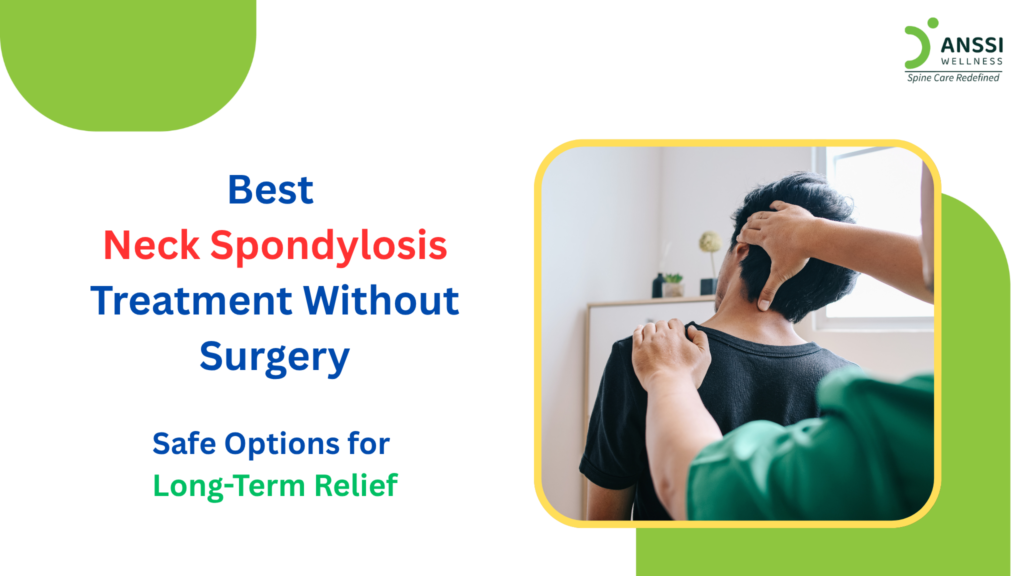
Best Non-Surgical Treatments for Neck Spondylosis
Today, more patients are actively looking for safe alternatives that offer long-term relief without surgery, injections, or long-term medication dependence.
Non-Surgical Spinal Decompression Treatment
One of the most advanced and effective treatments for neck spondylosis is non-surgical spinal decompression treatment. This treatment gently stretches the cervical spine using specialised equipment in a controlled and precise manner.
The stretching creates negative pressure within the spinal discs, helping reduce pressure on compressed nerves and encouraging bulging discs to return toward their normal position.
Additionally, it enhances the transfer of nutrients, oxygen, and blood to the afflicted area, promoting natural healing and lowering inflammation.
Unlike surgery, spinal decompression is non-invasive and does not require hospitalisation or downtime.
Physiotherapy
Physiotherapy is another essential part of non-surgical treatment. Guided exercises help strengthen the neck and upper back muscles, improve flexibility, and support better posture.
Stronger supporting muscles reduce stress on the cervical spine and improve spinal stability. Physiotherapy also helps restore mobility and prevents the recurrence of symptoms.
Posture Correction and Ergonomic Guidance
Poor posture is a major contributor to neck spondylosis. Correcting posture during work, driving, and daily activities can significantly reduce strain on the cervical spine.
Ergonomic adjustments such as proper chair support, screen height, and regular movement breaks are especially important for people working long hours at desks.
Pain Management Without Long-Term Medication
While painkillers may provide temporary relief, long-term medication use is not recommended due to potential side effects and dependency risks.
Modern non-surgical care focuses on natural pain management through spinal decompression, physiotherapy, stretching, and rehabilitation techniques that target the source of pain rather than simply masking symptoms.
Personalised Rehabilitation Programs
Every patient experiences neck spondylosis differently. Personalised rehabilitation programs ensure that treatment is tailored according to the severity of the condition, symptoms, and lifestyle requirements.
This individualised approach improves recovery outcomes and helps patients return to normal activities more comfortably.
Benefits of Advanced Non-Surgical Treatments
Advanced non-surgical treatments offer several benefits compared to surgery or long-term medication use.
They are safe, non-invasive, and do not require hospitalisation. Patients can usually continue their daily work and activities while undergoing treatment, making them highly convenient for busy lifestyles.
These treatments focus on the root cause of the condition rather than just reducing symptoms temporarily. As nerve pressure decreases and spinal health improves, patients often experience long-term relief, better posture, improved mobility, and enhanced quality of life.
Minimal downtime and lower risk make non-surgical spine care an attractive option for individuals seeking sustainable recovery.
References:
- Binder AI. Cervical spondylosis and neck pain. BMJ. 2007 Mar 10;334(7592):527-31. doi: 10.1136/bmj.39127.608299.80. PMID: 17347239; PMCID: PMC1819511.
- Effects of Vertebral Axial Decompression On Intradiscal Pressure. Ramos G., MD, Martin W., MD. Journal of Neurosurgery 81: 350-353, 1994.
- An Overview of Vertebral Axial Decompression. Tilaro F., MD. Canadian Journal of Clinical Medicine Vol. 5, No 1, January 1998.
About ANSSI:
ANSSI Wellness focuses on improving the quality of life for patients suffering from spinal issues, aiming to provide relief where other conventional treatments have failed. Through advanced Non-Surgical Spinal Decompression Treatment, ANSSI is committed to helping patients avoid surgery and recover in a safe, effective, and compassionate environment.
Connect with ANSSI Wellness on LinkedIn, Instagram, and Facebook for expert guidance.