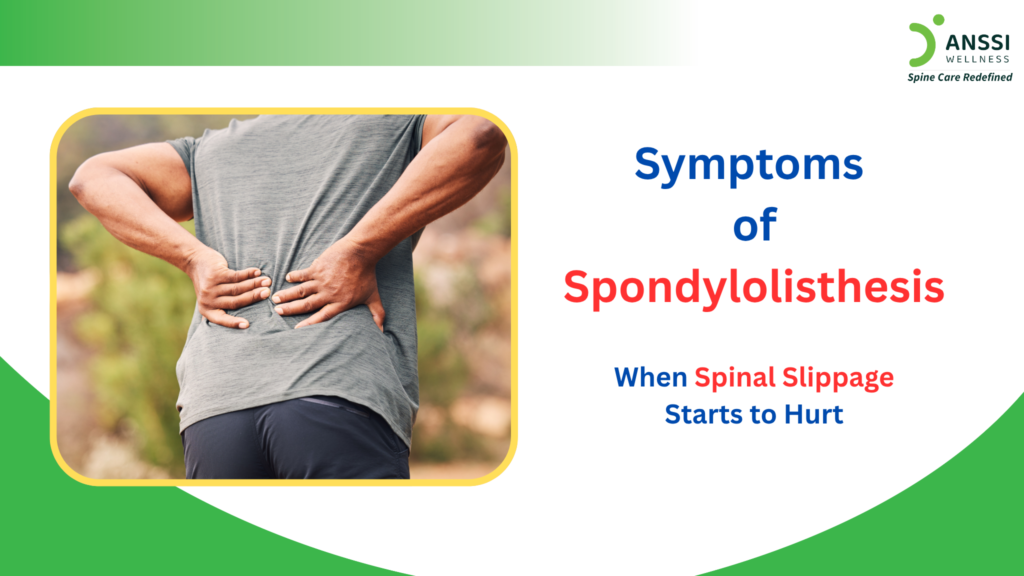
Spondylolisthesis is a spinal condition that occurs when one vertebra slips forward over the vertebra beneath it. While some cases may remain mild and symptom-free for years, others can lead to chronic lower back pain, stiffness, nerve compression, and reduced mobility. As the degree of spinal slippage increases, symptoms often become more noticeable and begin affecting daily activities.
Many people initially dismiss occasional back pain as a normal consequence of ageing or physical exertion. However, when spinal slippage begins to place pressure on nearby nerves and spinal structures, it can significantly impact quality of life. Understanding the warning signs of spondylolisthesis is essential for seeking timely treatment and preventing further progression of the condition.
Understanding Spondylolisthesis
The human spine is made up of a series of vertebrae that are stacked one above the other. These vertebrae work together to provide support, flexibility, and protection for the spinal cord and nerves.
In spondylolisthesis, one vertebra shifts forward from its normal position. This slippage can alter spinal alignment and place additional stress on discs, joints, muscles, and nerves.
Several factors may contribute to the development of spondylolisthesis, including:
Age-related spinal degeneration
Repetitive spinal strain
Sports-related injuries
Stress fractures in the vertebrae
Congenital spinal abnormalities
Doctors typically classify spondylolisthesis according to the amount of slippage:
- Grade 1: Mild slippage
- Grade 2: Moderate slippage
- Grade 3 and above: More severe slippage requiring careful medical evaluation
Common Symptoms of Spondylolisthesis
The severity of symptoms often corresponds to the degree of vertebral displacement and nerve involvement.
Lower Back Pain
Persistent lower back pain is the most common symptom of spondylolisthesis.
Patients often describe the pain as:
- Aching
- Dull
- Persistent
- Worsening with activity
The discomfort may increase during:
- Standing for long periods
- Walking
- Bending backward
- Lifting heavy objects
As spinal instability increases, the pain may become more frequent and difficult to ignore.
Spinal Stiffness
Many individuals with spondylolisthesis experience stiffness in the lower back.
This stiffness may:
- Limit flexibility
- Make bending difficult
- Restrict twisting movements
- Cause discomfort after prolonged sitting
Over time, reduced mobility may affect daily activities such as household work, exercise, and commuting.
Sciatica and Radiating Leg Pain
When spinal slippage causes nerve compression, patients may develop sciatica.
Sciatica occurs when nerves in the lower spine become irritated or compressed, producing symptoms that travel down the leg.
Common symptoms include:
- Pain radiating into the buttocks
- Burning sensations in the leg
- Sharp or shooting pain
- Discomfort extending into the calf or foot
Sciatica often becomes more noticeable during prolonged standing, walking, or certain movements.
Tingling and Numbness
Nerve compression may also cause abnormal sensations in the legs and feet.
Patients may experience:
- Tingling
- Pins-and-needles sensations
- Partial numbness
- Altered sensation in specific areas of the leg
These symptoms indicate that the affected nerve is under pressure and should not be ignored.
Leg Weakness
In some cases, ongoing nerve compression may affect muscle strength.
Patients may notice:
- Difficulty climbing stairs
- Reduced balance
- Leg fatigue
- Trouble walking long distances
Muscle weakness can significantly affect independence and mobility if left untreated.
How Symptoms Vary by Grade and Location
Not every patient experiences the same symptoms. The location and severity of spinal slippage play a major role in determining symptom intensity.
Grade 1 Spondylolisthesis
Grade 1 represents mild spinal slippage.
Symptoms may include:
- Occasional lower back pain
- Mild stiffness
- Activity-related discomfort
Many patients remain functional but notice recurring symptoms during physical activity.
Grade 2 Spondylolisthesis
Grade 2 involves greater vertebral displacement.
Symptoms are often more persistent and may include:
- Chronic lower back pain
- More frequent sciatica
- Numbness and tingling
- Reduced mobility
The likelihood of nerve compression increases as spinal slippage progresses.
Location Matters
Spondylolisthesis most commonly affects the lumbar spine (lower back). As this region contains nerve roots that supply the legs, lumbar spondylolisthesis frequently causes leg pain, numbness, and weakness in addition to back pain.
When to Seek Medical Attention
Although mild symptoms may come and go initially, certain warning signs require medical evaluation.
Seek professional assessment if you experience:
- Back pain lasting several weeks
- Increasing leg pain
- Persistent numbness or tingling
- Muscle weakness
- Difficulty standing or walking
- Symptoms affecting sleep or daily activities
Early diagnosis allows treatment to begin before significant nerve damage or spinal instability develops.
Non-Surgical Management for Grade 1-2 Spondylolisthesis
Many patients with Grade 1 and Grade 2 spondylolisthesis can benefit from non-surgical treatment approaches designed to reduce pain and improve spinal function.
Physiotherapy and Rehabilitation
A structured rehabilitation program may help:
- Strengthen core muscles
- Improve spinal support
- Enhance flexibility
- Improve posture
Strong supporting muscles can reduce stress on the affected spinal segment.
Lifestyle and Activity Modifications
Simple lifestyle adjustments may help reduce symptom progression.
These may include:
- Weight management
- Avoiding excessive spinal strain
- Improving workplace ergonomics
- Practising proper lifting techniques
Non-Surgical Spinal Decompression Treatment (NSSDT)
One of the advanced non-invasive options available for selected Grade 1 and Grade 2 cases is Non-Surgical Spinal Decompression Treatment.
NSSDT uses specialised technology to gently decompress the spine in a controlled manner. This process may help:
- Reduce pressure within spinal discs
- Relieve nerve compression
- Improve circulation to spinal structures
- Support natural healing mechanisms
When combined with physiotherapy and rehabilitation, spinal decompression treatment may help improve mobility and reduce chronic symptoms without surgery.
Benefits of Early Non-Surgical Treatment
Early intervention can provide several important advantages.
These include:
- Reduced pain and stiffness
- Improved mobility
- Better spinal function
- Reduced dependence on pain medication
- Enhanced quality of life
For many patients with Grade 1 or Grade 2 spondylolisthesis, comprehensive non-surgical care may help delay or even avoid the need for surgical intervention.
References:
- Newman PH, Stone KH. THE ETIOLOGY OF SPONDYLOLISTHESIS. J Bone Joint Surg Br. 1963;45-B(1):39-59. doi:10.1302/0301-620X.45B1.39.
- Nedelea DG, Vulpe DE, Gherghiceanu F, Capitanu BS, Dragosloveanu S, Stoica IC. Surgical and non-surgical management of spondylolisthesis: a comprehensive review. J Med Life. 2025 Mar;18(3):196-207. doi: 10.25122/jml-2025-0039. PMID: 40291940; PMCID: PMC12022737.
- Naguszewski W., MD, Naguszewski R., MD, Gose E., Ph.D. Dermatosomal Somatosensory Evoked Potential Demonstration of Nerve Root Decompression After VAX-D Therapy. Journal of Neurological Research Vol 23 , No 7, October 2001.
- Tilaro F., MD. An Overview of Vertebral Axial Decompression. Canadian Journal of Clinical Medicine Vol. 5, No 1, January 1998.
About ANSSI:
ANSSI Wellness focuses on improving the quality of life for patients suffering from spinal issues, aiming to provide relief where other conventional treatments have failed. Through advanced Non-Surgical Spinal Decompression Treatment, ANSSI is committed to helping patients avoid surgery and recover in a safe, effective, and compassionate environment.
Book Consultation:
Call +91 9004726844 | 9920936844
Visit www.anssiwellness.com
Connect with ANSSI Wellness on LinkedIn, Instagram, and Facebook for expert guidance.