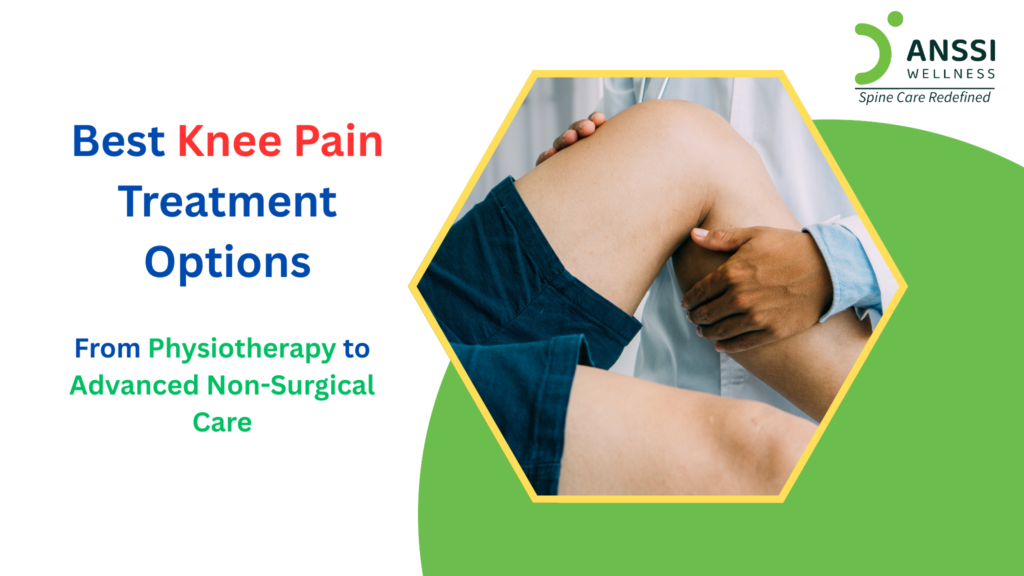
One of the most prevalent joint issues that affects people of all ages is knee pain. Whether you’re an athlete, a working professional, or a senior citizen, knee discomfort can interfere with walking, climbing stairs, exercising, and even simple daily activities. Many people look for answers to questions like “What is the best treatment for knee pain?” or “How can I avoid knee surgery?” The truth is, the right treatment depends on the cause, severity, and stage of the condition.
Understanding your options can help you make an informed decision and prevent long-term joint damage.
Understanding the Cause Before Treatment
Before choosing any treatment, a proper diagnosis is essential. Knee pain may result from acute injuries like ligament sprains or meniscus tears, or from chronic conditions such as osteoarthritis and cartilage degeneration.
A healthcare professional typically begins with a detailed medical history and physical examination. Imaging tests like X-rays help assess bone and joint space, while MRI scans provide detailed information about cartilage, ligaments, and soft tissues. Identifying whether the pain is inflammatory, mechanical, or degenerative ensures the treatment plan is accurate and effective.
First-Line Treatment Options
For mild or early-stage knee pain, conservative measures are usually recommended first.
Rest and Activity Modification
Reducing high-impact activities, such as running or jumping, allows the joint to recover.
Ice and Heat Therapy
Ice helps reduce swelling and inflammation, while heat relaxes stiff muscles and improves blood circulation.
Pain Medications and Anti-Inflammatory Drugs
Over-the-counter medications may provide short-term relief. However, prolonged use can cause side effects and does not address the root cause of joint degeneration.
Lifestyle Changes
Weight management plays a crucial role. Even small reductions in body weight can significantly decrease pressure on the knee joint.
While these methods may relieve symptoms temporarily, persistent pain often requires structured rehabilitation.
Physiotherapy and Rehabilitation
Physiotherapy is one of the most effective non-invasive treatments for knee pain, especially in early to moderate stages.
- Strengthening Exercises: Targeting the quadriceps, hamstrings, calves, and hip muscles improves joint stability and reduces stress on damaged tissues.
- Stretching for Flexibility: Hamstring, calf, and quadriceps stretches help reduce stiffness and improve range of motion.
- Manual Therapy: Techniques such as joint mobilisation and soft tissue release can enhance movement and reduce discomfort.
Early physiotherapy intervention can slow degeneration, correct biomechanical imbalances, and restore normal movement patterns. However, in cases where joint compression and cartilage wear are significant, additional advanced therapies may be necessary.
Injection-Based Treatments
When pain persists despite physiotherapy, injection-based therapies may be considered.
- Corticosteroid Injections: These offer short-term relief and lessen inflammation. However, repeated use may weaken joint tissues over time.
- Hyaluronic Acid Injections: These aim to improve lubrication within the joint, offering short-term symptom relief for osteoarthritis patients.
While injections can reduce pain, they do not reverse cartilage damage or restore joint space. Their effects are often temporary, requiring repeated sessions.
Advanced Non-Surgical Care
For patients seeking longer-term, non-invasive solutions, advanced therapies like Knee Decompression Treatment are gaining attention.
What is Knee Decompression Treatment?
This procedure works by gently reducing pressure within the knee joint. It creates space in the joint, reducing mechanical stress on cartilage.
How It Helps:
- Decreases joint compression
- Improves blood circulation
- Enhances nutrient exchange
- Reduces inflammation
- Promotes natural healing
Unlike medication or injections, this approach is drug-free and non-invasive. It targets the root cause of mechanical joint stress, making it suitable for early to moderate osteoarthritis and chronic knee pain.
Patients often experience improved mobility, reduced stiffness, and long-term functional benefits.
When Surgery Becomes Necessary
In severe cases, such as advanced osteoarthritis with significant joint deformity, surgical options like arthroscopy or knee replacement may be recommended.
Surgery is typically considered when:
- Pain is severe and constant
- Mobility is significantly restricted
- Conservative treatments have failed
- Daily activities are severely impacted
While surgery can be life-changing for some patients, it involves risks, recovery time, and financial costs. Therefore, exploring non-surgical options before proceeding to surgery is often advisable.
Choosing the Right Treatment
There is no one-size-fits-all solution for knee pain. The best approach depends on:
- Age and activity level
- Severity of joint damage
- Underlying cause
- Overall health condition
Early intervention significantly improves outcomes. Addressing knee pain in its initial stages can prevent further degeneration and reduce the likelihood of surgery.