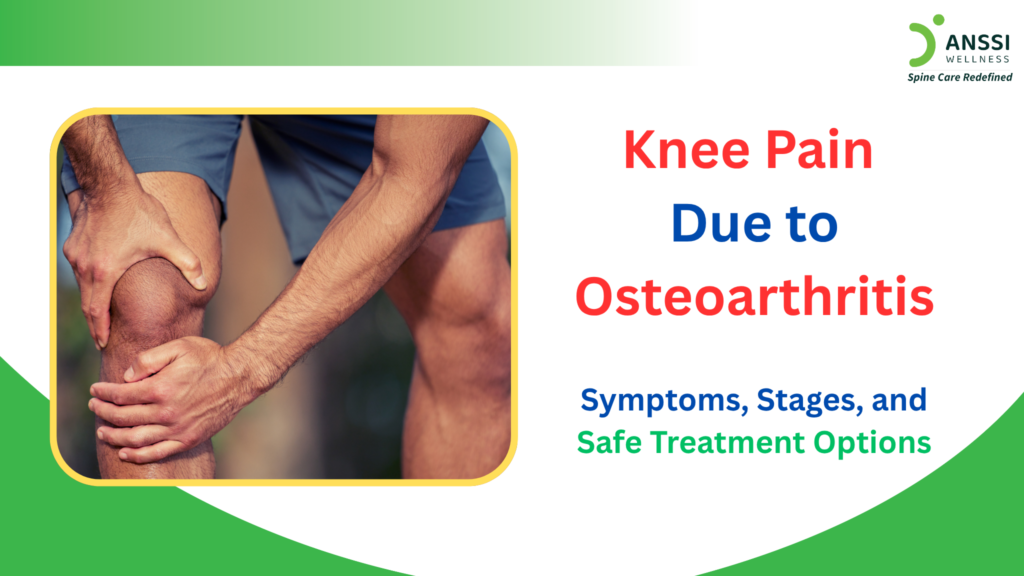
Chronic knee pain is one of the most common mobility problems affecting adults worldwide, especially middle-aged and elderly individuals. Among the various causes of knee pain, osteoarthritis is considered one of the leading reasons behind long-term knee discomfort, stiffness, and reduced movement.
Many people initially ignore mild knee pain, assuming it is simply a sign of ageing or temporary strain. However, untreated osteoarthritis can gradually worsen over time and significantly affect a person’s ability to walk, climb stairs, exercise, work, or perform daily activities independently.
Fortunately, early diagnosis and modern non-surgical treatments can help manage symptoms effectively and improve quality of life. Advanced Knee Rehabilitation Programs that include modern knee decompression technology are increasingly being recognised as safer alternatives for individuals seeking long-term relief without surgery.
Understanding Osteoarthritis of the Knee
Osteoarthritis is a degenerative joint condition that develops when the protective cartilage inside the knee joint gradually wears down. Cartilage acts as a smooth cushion between the bones, helping the knee move comfortably during walking, bending, and other movements.
As cartilage deteriorates:
- The joint loses cushioning
- Friction between bones increases
- Inflammation develops within the joint
- Movement becomes painful and restricted
Over time, the knee joint may become stiff, swollen, unstable, and less flexible.
Several factors can increase the risk of knee osteoarthritis, including:
- Ageing
- Obesity
- Previous knee injuries
- Repetitive stress on the joints
- Sedentary lifestyle
- Weak leg muscles
- Poor joint alignment
The condition often develops gradually, which is why many individuals overlook the early warning signs until pain becomes more severe.
Common Symptoms of Knee Osteoarthritis
The symptoms of knee osteoarthritis may vary depending on the stage and severity of joint degeneration.
Persistent Knee Pain
Pain is usually the earliest and most noticeable symptom. Initially, discomfort may occur only during movement or physical activity, but as osteoarthritis progresses, pain may become constant.
Morning Stiffness
Many individuals experience stiffness after waking up or after sitting for long periods. The knee may feel tight and difficult to move initially.
Swelling Around the Knee
Inflammation within the joint can lead to visible swelling and tenderness around the knee.
Grinding or Clicking Sensation
As cartilage wears down, bones may rub against each other, causing clicking, grinding, or cracking sounds during movement.
Difficulty Walking or Climbing Stairs
Pain and stiffness may make routine activities such as climbing stairs, squatting, standing for long periods, or walking increasingly difficult.
Reduced Mobility and Balance
Advanced osteoarthritis can affect joint stability, balance, and overall mobility, increasing the risk of falls and reduced independence.
Stages of Knee Osteoarthritis and Their Impact
Knee osteoarthritis generally progresses gradually through different stages.
Stage 1: Minor Wear
At this early stage:
- Cartilage damage is minimal
- Symptoms may be mild or occasional
- Patients may experience slight stiffness or discomfort after physical activity
Many people ignore symptoms at this stage because the pain is not severe.
Stage 2: Mild Osteoarthritis
As degeneration progresses:
- Knee pain becomes more noticeable during walking or exercise
- Early cartilage wear appears
- Mild swelling and stiffness may develop
Patients may begin limiting physical activities due to discomfort.
Stage 3: Moderate Osteoarthritis
At this stage:
- Cartilage damage becomes more significant
- Pain occurs more frequently
- Swelling and stiffness increase
- Daily activities become more difficult
Walking, climbing stairs, and standing for extended periods may become challenging.
Stage 4: Severe Osteoarthritis
This is the most advanced stage:
- Cartilage loss becomes severe
- Bone friction increases significantly
- Pain may occur even during rest
- Joint movement becomes highly restricted
Many patients experience reduced independence and difficulty performing routine tasks comfortably.
Conventional Treatment Approaches and Their Limitations
Several conventional treatments are commonly used to manage osteoarthritis symptoms.
Painkillers and Anti-Inflammatory Medications
These medications help reduce pain and inflammation temporarily. However, they do not repair damaged cartilage or stop joint degeneration.
Long-term use may also lead to:
- Stomach irritation
- Kidney problems
- Dependency risks
- Reduced effectiveness over time
Knee Injections
Steroid or lubricating injections may provide short-term symptom relief for some patients. However, the benefits are often temporary and may not address the underlying joint degeneration.
Physiotherapy
Physiotherapy helps strengthen surrounding muscles, improve flexibility, and support joint function. While beneficial, physiotherapy alone may not fully relieve advanced joint compression.
Knee Replacement Surgery
In severe cases, surgery may be recommended. Although knee replacement can help certain patients, surgery involves:
- Hospitalisation
- Recovery time
- Rehabilitation
- Surgical risks
- Financial costs
Not every patient is willing or medically suitable for surgery, leading many individuals to seek safer non-surgical alternatives.
Advanced Knee Rehabilitation Program
Modern non-surgical approaches are increasingly focusing on improving knee function while reducing joint stress naturally. One such approach is the Advanced Knee Rehabilitation Program that includes modern knee decompression technology.
This comprehensive program combines:
- Knee decompression treatment
- Physiotherapy
- Strengthening exercises
- Mobility training
- Lifestyle guidance
- Weight management support
How Knee Decompression Technology Works
Knee decompression technology is designed to reduce excessive pressure within the knee joint. Gentle mechanical decompression helps create space within the joint, reducing friction and improving movement.
By reducing joint compression, decompression treatment may help:
- Improve mobility
- Reduce pain and stiffness
- Enhance circulation around the joint
- Support functional movement
Benefits of Advanced Knee Rehabilitation
- Minimally Invasive Approach: The treatment does not involve surgery or prolonged hospitalisation.
- Drug-Free Pain Management: Patients may reduce dependence on pain medications.
- Improved Joint Function: Rehabilitation exercises help strengthen muscles that support the knee joint.
- Better Mobility and Flexibility: Patients often experience improvements in walking, bending, and daily movement.
- Long-Term Support: Lifestyle and rehabilitation guidance help patients maintain joint health over time.
Book Consultation:
Call +91 9004726844 | 9920936844
Visit www.anssiwellness.com
References:
- Hsu H, Siwiec RM. Knee Osteoarthritis. [Updated 2023 Jun 26]. In: StatPearls [Internet]. Treasure Island (FL): StatPearls Publishing; 2026 Jan-. Available from: https://www.ncbi.nlm.nih.gov/books/NBK507884/
- Pai V, Bell D, Knipe H, et al. Kellgren and Lawrence system for classification of osteoarthritis. Reference article, Radiopaedia.org.
- Helder Rocha da Silva Araújo et al. (2025). Comprehensive Review of Conservative and Surgical Treatment Strategies for Knee Osteoarthritis: Efficacy, Safety, and Emerging Therapies. Global Journal of Orthopedics, 1(1), 24-37.
About ANSSI:
ANSSI Wellness focuses on improving the quality of life for patients suffering from knee issues, aiming to provide relief where other conventional treatments have failed. Through Advanced Knee Rehabilitation Treatment, ANSSI is committed to helping patients avoid surgery and recover in a safe, effective, and compassionate environment.
Connect with ANSSI Wellness on LinkedIn, Instagram, and Facebook for expert guidance.