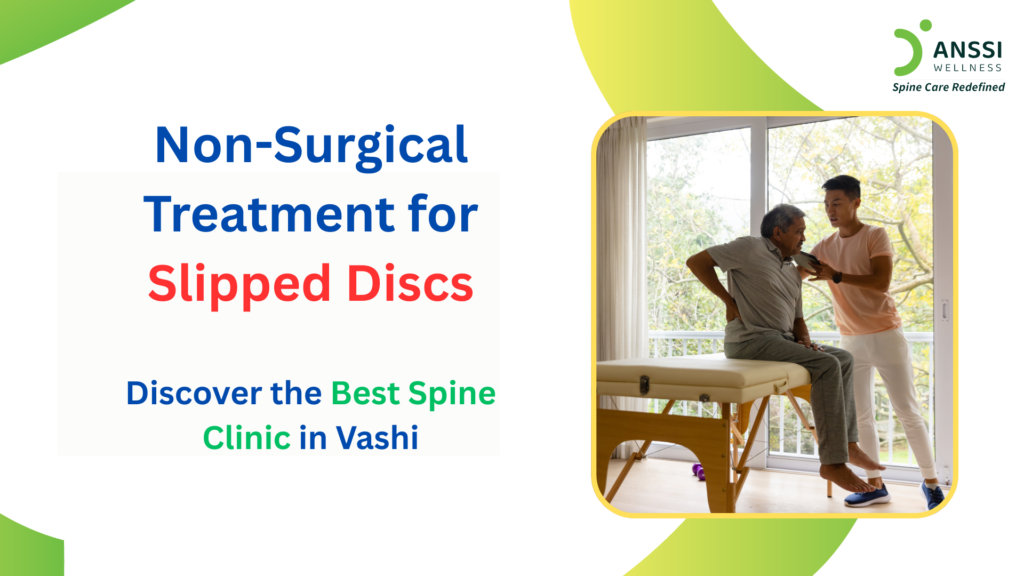
A slipped disc, also known as a herniated or prolapsed disc, is one of the most common yet misunderstood spine conditions today. It can affect people of all ages and professions, from young IT professionals working long hours at a desk to older adults experiencing natural spinal degeneration.
While the pain may start subtly, a slipped disc can significantly disrupt daily life if left untreated. Understanding the condition and choosing the right treatment approach is key to long-term recovery.
Symptoms of Slipped Discs and Their Impact on Daily Life
A slipped disc occurs when the soft inner portion of a spinal disc pushes out through a tear in its outer layer, often pressing on nearby nerves. The symptoms depend on the location and severity of the disc problem. Common signs include persistent back or neck pain, sharp radiating pain into the arms or legs, tingling or numbness, muscle weakness, and stiffness that worsens with movement.
For many patients, these symptoms interfere with simple daily activities.
- Sitting for long periods, bending, lifting objects, driving, or even sleeping comfortably can become a challenge.
- Over time, the constant pain and limited mobility can reduce work productivity, restrict social activities, and lead to emotional stress, anxiety, and frustration.
- When pain becomes chronic, it affects not just physical health but overall quality of life.
Why Long-Term Medication and Surgery Are Not Ideal Solutions
When faced with severe pain, many people turn to painkillers, anti-inflammatory drugs, or muscle relaxants for quick relief.
- While medications can temporarily reduce discomfort, they do not address the root cause of a slipped disc.
- Prolonged use may also lead to dependency, gastrointestinal issues, kidney problems, or other side effects.
Surgery is often presented as the next option when conservative treatments fail.
However,
- Spinal surgery carries its own risks, including infection, nerve damage, long recovery periods, and uncertainty of long-term success.
- Not all patients are suitable candidates for surgery, and even after surgery, some continue to experience pain or develop adjacent segment issues.
This is why more patients today are seeking effective, non-surgical alternatives that focus on healing rather than symptom suppression.
Non-Surgical Treatment Options for Slipped Discs
Modern spine care offers several non-surgical treatments that aim to relieve pain, reduce nerve compression, and restore function.
Physiotherapy helps strengthen supporting muscles, improve flexibility, and correct posture. Lifestyle modifications such as ergonomic adjustments, weight management, and activity correction play an important role in preventing further disc damage.
Among these options, Non-Surgical Spinal Decompression Treatment has emerged as a highly effective solution for slipped discs.
- This advanced treatment gently stretches the spine using a specialised decompression system.
- By creating negative pressure within the disc, decompression helps reduce disc bulge, relieve pressure on compressed nerves, improve blood circulation, and promote natural healing of the disc tissues.
- The treatment is non-invasive, drug-free, and does not require injections or surgery.
What Makes ANSSI Wellness’s Treatment Program at Vashi So Effective
ANSSI Wellness’s Vashi clinic specialises in Non-Surgical Spinal Decompression Treatment based on advanced, globally followed protocols. Each patient undergoes a thorough assessment to identify the exact cause and severity of disc problems before starting treatment.
At ANSSI Wellness Vashi, decompression treatment is combined with supportive physiotherapy, posture guidance, and lifestyle counseling to ensure comprehensive healing. The treatment is designed to be safe, comfortable, and effective, allowing patients to continue their daily routines without hospitalisation or downtime. The clinic’s experienced spine care professionals focus on long-term relief rather than temporary pain management.
Patient education is also a crucial component. Understanding proper movement patterns, safe exercises, and preventive strategies empowers patients to protect their spines and avoid recurrence. Continuous monitoring and progress assessment ensure that treatment plans are adjusted for optimal results.
Finding Long-Term Relief Without Surgery
Living with a slipped disc does not have to mean a lifetime of pain, medication, or fear of surgery. With early intervention and the right non-surgical approach, many patients can regain mobility, reduce pain significantly, and return to an active, fulfilling life. Non-Surgical Spinal Decompression Treatment offers a proven path toward healing by addressing the root cause of disc-related pain.