A slipped disc has become a common spinal condition in today’s fast-paced world. Long hours of sitting, poor posture, and lack of physical activity have significantly increased the number of people experiencing back problems. When diagnosed with a slipped disc, many patients immediately assume that surgery is the only solution. This belief often leads to fear, confusion, and rushed decisions.
However, the reality is quite different. In most cases, surgery is not the first or the only option. With the right knowledge and timely intervention, non-surgical treatments can effectively manage the condition and provide long-term relief. Understanding your options is the key to making the best decision for your health.
What is a Slipped Disc?
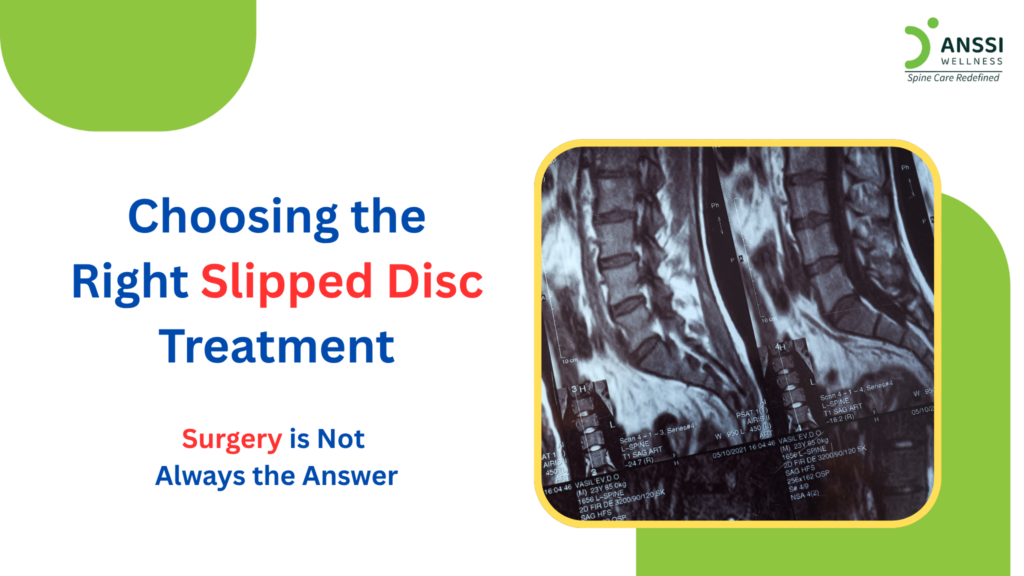
The spine is made up of a series of bones called vertebrae, separated by soft, cushion-like discs. These discs act as shock absorbers and allow flexibility in movement. A slipped disc, also known as a herniated disc, occurs when the inner gel-like portion of the disc pushes out through its outer layer.
This protrusion can press on nearby nerves, causing pain and discomfort. Slipped discs are most commonly seen in the lower back (lumbar spine), although they can also occur in the neck.
Several factors contribute to this condition, including poor posture, improper lifting techniques, prolonged sitting, sudden injuries, and age-related degeneration. These everyday habits gradually weaken the spine, making it more vulnerable to disc problems.
Symptoms to Watch For
The symptoms of a slipped disc can vary depending on its severity and location. The most common symptom is persistent lower back pain, which may worsen with movement.
Many patients experience pain that radiates down the legs, a condition known as sciatica. Other symptoms include numbness, tingling sensations, and muscle weakness in the affected areas. Some individuals may find it difficult to sit, stand, or walk for extended periods.
Ignoring these symptoms can lead to worsening of the condition, affecting mobility and overall quality of life. Early recognition and treatment are crucial for better outcomes.
Is Surgery Always Necessary?
One of the biggest misconceptions about slipped discs is that they always require surgery. In reality, surgery is usually recommended only in severe cases, such as when there is significant nerve damage, loss of bladder or bowel control, or when all other treatments have failed.
Surgical procedures come with certain risks, including infections, complications, and long recovery periods. Additionally, surgery may not always address the root cause of the problem, especially if lifestyle factors like poor posture or weak muscles are not corrected.
Effective Non-Surgical Treatment Options
For most patients, conservative and non-invasive treatments are not only safer but also highly effective in managing symptoms and promoting recovery.
1. Physiotherapy and Core Strengthening
Physiotherapy is one of the most recommended treatments for a slipped disc. It focuses on correcting posture, increasing flexibility, and strengthening the muscles that support the spine. Strong core muscles reduce pressure on the discs and help prevent further injury.
2. Non-Surgical Spinal Decompression Treatment
This advanced treatment gently stretches the spine, relieving pressure on the affected discs and nerves. It allows the disc to return to its normal position and improves blood flow, promoting natural healing. Many patients experience significant relief through this method.
3. Posture Correction and Ergonomic Adjustments
Daily habits play a major role in spinal health. Learning how to sit, stand, and lift objects correctly can prevent additional strain on the spine. Ergonomic adjustments at work and home, such as using supportive chairs and maintaining proper screen height, can make a big difference.
4. Pain Management Without Long-Term Medication
While painkillers can offer temporary relief, they are not a long-term solution. Non-surgical treatments focus on natural pain management techniques, including stretching, manual therapy, and guided rehabilitation. These methods address the root cause of pain without the risks of medication dependency.
Benefits of Non-Surgical Care
Non-surgical treatments offer several advantages that make them the preferred choice for many patients. They are safe, non-invasive, and do not require hospitalisation or extended downtime. Patients can continue their daily routines while undergoing treatment.
Another key benefit is that these treatments focus on addressing the underlying cause of the condition rather than just masking the symptoms. This leads to more sustainable and long-lasting results.
In addition, non-surgical care helps improve overall spinal health, enhances mobility, and reduces the chances of recurrence. Patients also gain a better understanding of how to maintain a healthy spine in the long run.
When to Consult a Specialist
If you experience persistent back pain that does not improve with rest, or if the pain starts radiating to your legs, it is important to seek professional help. Symptoms such as numbness, tingling, or muscle weakness should not be ignored.
Early consultation with a spine specialist can help identify the exact cause of the problem and determine the most suitable treatment plan. Prompt intervention can guarantee a quicker recovery and avoid complications.
About ANSSI:
ANSSI Wellness focuses on improving the quality of life for patients suffering from spinal issues, aiming to provide relief where other conventional treatments have failed. Through advanced Non-Surgical Spinal Decompression Treatment, ANSSI is committed to helping patients avoid surgery and recover in a safe, effective, and compassionate environment.
Connect with ANSSI Wellness on LinkedIn, Instagram, and Facebook for expert guidance.