Slip disc has become one of the most common causes of chronic back and neck pain in today’s fast-paced lifestyle. Long working hours, prolonged sitting, poor posture, lack of exercise, and increased screen time are putting constant pressure on the spine. As a result, many working professionals and sedentary individuals experience persistent spinal pain that affects their daily life and productivity.
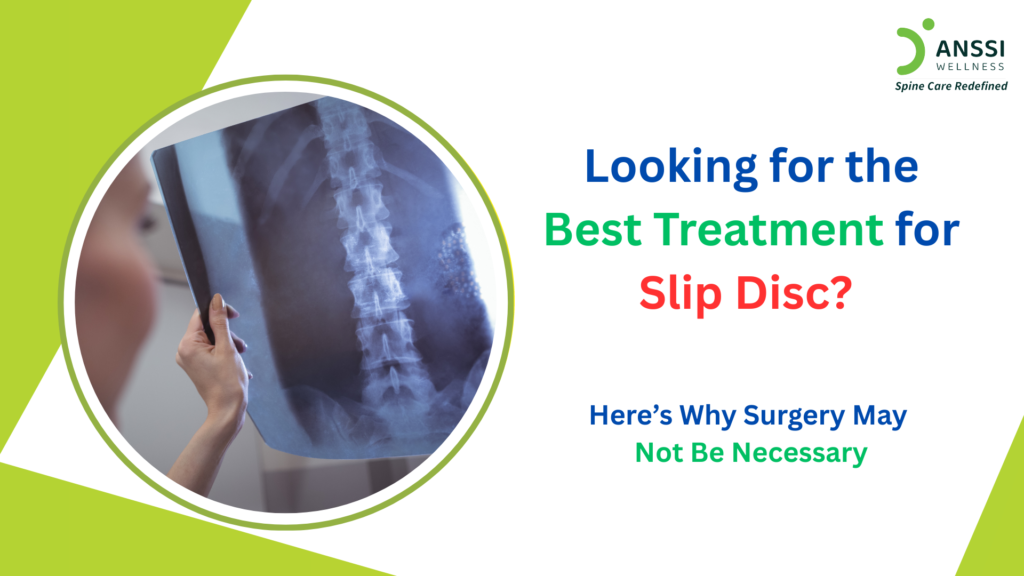
When diagnosed with a slip disc, many patients immediately assume that surgery is the only option. However, this is one of the biggest misconceptions surrounding spinal disc problems. In reality, many cases of slip disc can be effectively treated with advanced non-surgical methods that focus on natural healing and long-term relief.
What is a Slip Disc?
A slip disc, also known as a herniated or prolapsed disc, occurs when the soft inner portion of a spinal disc pushes through its outer layer. The spinal discs act as cushions between the vertebrae and help absorb shock during movement.
When a disc bulges or ruptures, it can press on nearby spinal nerves. This nerve compression often leads to pain, inflammation, numbness, and weakness. Slip discs commonly affect the lower back (lumbar spine) and neck (cervical spine), as these regions experience the most strain during daily activities.
The severity of symptoms depends on the extent of disc damage and nerve involvement.
Common Causes of Slip Disc
Several factors can contribute to the development of a slip disc.
Poor Posture and Prolonged Sitting
Sitting for long hours with improper posture increases stress on the spinal discs. This is especially common among office workers, IT professionals, and people who spend extended periods using computers or mobile devices.
Heavy Lifting and Improper Body Mechanics
Lifting heavy objects incorrectly or sudden twisting movements can strain the spine and damage the discs.
Age-Related Disc Degeneration
As people age, spinal discs naturally lose water content and flexibility. This makes them more vulnerable to wear and tear.
Sedentary Lifestyle and Obesity
Lack of physical activity weakens the muscles supporting the spine. Excess body weight also increases pressure on spinal discs.
Sudden Injuries or Repetitive Strain
Sports injuries, falls, accidents, or repetitive physical stress can also lead to disc problems over time.
Understanding these causes is important because effective treatment should address both the symptoms and the contributing factors.
Symptoms That Should Not Be Ignored
Slip disc symptoms can range from mild discomfort to severe pain that interferes with everyday life.
- The most common symptom is persistent lower back or neck pain. Many patients also experience pain that radiates to the legs or arms due to nerve compression. This condition is commonly known as sciatica when the lower back nerves are involved.
- Other symptoms include numbness, tingling sensations, muscle weakness, and difficulty sitting, walking, bending, or standing comfortably.
- Some individuals notice that their pain worsens after long periods of sitting or physical activity.
Ignoring these warning signs can allow the condition to progress further, making recovery more difficult.
Why Surgery May Not Always Be Necessary
One of the most important facts about slip disc treatment is that surgery is not always required. In many cases, the body can heal naturally when pressure on the disc and nerves is reduced properly.
Surgery is generally considered only in severe situations, such as significant nerve damage, loss of bladder or bowel control, or when conservative treatments fail after a prolonged period.
Spinal surgery also comes with certain risks, including infection, complications, hospitalisation, rehabilitation, and long recovery times. For working professionals and elderly patients, the downtime associated with surgery can affect both personal and professional life.
This is why many spine specialists now recommend exploring non-surgical treatment options before considering invasive procedures.
Effective Non-Surgical Treatments for Slip Disc
Non-Surgical Spinal Decompression Treatment
One of the most advanced treatments available for slip disc today is non-surgical spinal decompression treatment. This treatment gently stretches the spine using specialised equipment in a controlled and calculated manner.
The stretching creates negative pressure within the spinal discs, helping reduce nerve compression and encouraging the bulging disc to move back toward its normal position.
Spinal decompression also improves blood circulation and nutrient supply to the damaged area, supporting natural healing and reducing inflammation.
Physiotherapy and Core Muscle Strengthening
Physiotherapy helps strengthen the muscles supporting the spine. Guided exercises improve flexibility, posture, and spinal stability, reducing strain on the affected disc.
Strong core muscles also help prevent recurrence of disc-related problems.
Posture Correction and Ergonomic Guidance
Correct posture is essential for long-term recovery. Specialists often provide ergonomic advice regarding sitting posture, workstation setup, and safe movement techniques to reduce spinal stress.
Pain Management Without Long-Term Medication
While painkillers may provide temporary relief, long-term medication use is not ideal. Modern non-surgical care focuses on natural pain management methods such as rehabilitation, stretching, physiotherapy, and decompression treatment.
Personalised Rehabilitation Programs
Every slip disc case is different. Personalised treatment plans ensure that recovery is tailored according to the patient’s symptoms, lifestyle, and severity of the condition.
Advantages of Non-Surgical Treatment Over Surgery
Non-surgical treatment offers several important advantages compared to surgery.
It is non-invasive, safer, and does not require hospitalisation or anaesthesia. Patients usually experience minimal downtime and can continue their daily routines during treatment.
Most importantly, non-surgical care focuses on addressing the root cause of the problem rather than simply removing symptoms temporarily. By promoting natural healing, improving spinal health, and reducing nerve pressure, it provides long-term relief and lowers the chances of recurrence.
Book Consultation
Call +91 9004726844 | 9920936844
Visit www.anssiwellness.com
References:
Effects of Vertebral Axial Decompression On Intradiscal Pressure. Ramos G., MD, Martin W., MD. Journal of Neurosurgery 81: 350-353, 1994
Dermatosomal Somatosensory Evoked Potential Demonstration of Nerve Root Decompression After VAX-D Therapy. Naguszewski W., MD, Naguszewski R., MD, Gose E., Ph.D. Journal of Neurological Research Vol 23 , No 7, October 2001
About ANSSI:
ANSSI Wellness focuses on improving the quality of life for patients suffering from spinal issues, aiming to provide relief where other conventional treatments have failed. Through advanced Non-Surgical Spinal Decompression Treatment, ANSSI is committed to helping patients avoid surgery and recover in a safe, effective, and compassionate environment.
Connect with ANSSI Wellness on LinkedIn, Instagram, and Facebook for expert guidance.