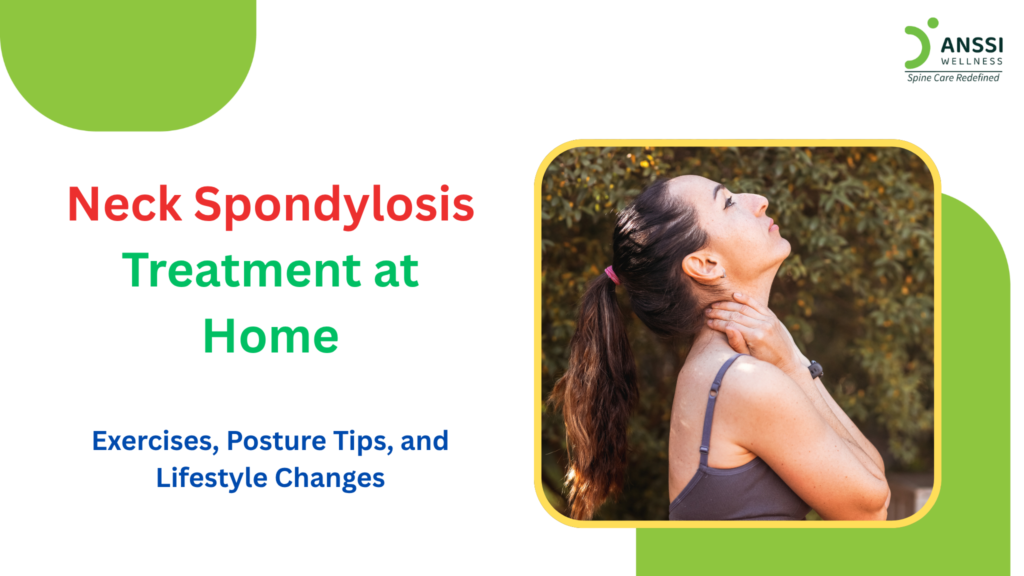
Neck pain and stiffness have become increasingly common in modern lifestyles. Long hours spent working on computers, excessive mobile phone use, poor posture, and sedentary habits are placing continuous strain on the cervical spine. One of the most common conditions linked to chronic neck discomfort is cervical spondylosis.
Cervical spondylosis is an age-related degenerative condition affecting the discs, joints, and bones of the neck. While it is more common in older adults, younger working professionals are also experiencing symptoms due to poor posture and prolonged screen time.
The good news is that many patients can manage mild to moderate symptoms effectively through home-based conservative therapies, posture correction, and lifestyle changes. Early attention to symptoms can also help prevent progression and reduce the need for invasive treatment.
What is Cervical Spondylosis?
Cervical spondylosis develops when the spinal discs and joints in the neck undergo wear and tear over time. As discs lose flexibility and hydration, the cervical spine becomes less stable and more prone to stiffness and inflammation.
In some cases, bone spurs or disc bulges may develop and compress nearby nerves. This nerve pressure can lead to pain, numbness, tingling, and weakness extending into the shoulders, arms, and hands.
Common Causes of Cervical Spondylosis
- Poor posture during computer or mobile phone use
- Long hours of sitting and a sedentary lifestyle
- Age-related spinal degeneration
- Repetitive neck strain and incorrect sleeping posture
- Lack of physical activity and weak neck muscles
Without proper care, these factors can gradually worsen spinal stress and mobility issues.
Common Symptoms of Neck Spondylosis
The symptoms of cervical spondylosis vary depending on the severity of degeneration and nerve involvement.
Persistent Neck Pain and Stiffness
Many patients experience ongoing discomfort in the neck, especially after long periods of sitting or working.
Headaches and Shoulder Pain
Neck muscle tension and spinal stress may trigger headaches and pain radiating into the shoulders.
Reduced Neck Mobility
Patients often notice difficulty turning the neck fully or stiffness during movement.
Tingling, Numbness, and Weakness
When nerves become compressed, symptoms may spread into the arms and hands, causing tingling sensations or weakness.
Sleep and Work Disturbance
Chronic pain and stiffness can make sleeping uncomfortable and reduce concentration during work.
Recognising these symptoms early allows patients to begin conservative treatment before the condition worsens.
Conservative Therapies and Home Remedies
Many mild and moderate cases of cervical spondylosis can improve with simple home-based care and healthy habits.
Gentle Neck Stretching and Strengthening Exercises
Regular stretching exercises help improve flexibility and reduce muscle tightness. Strengthening exercises support the neck muscles and improve spinal stability.
Simple chin tucks, shoulder rolls, and gentle neck rotations can help reduce stiffness when performed correctly.
It is important to avoid aggressive movements or exercises that worsen pain.
Posture Correction Techniques
Maintaining proper posture is one of the most effective ways to reduce strain on the cervical spine.
- Keep the computer screen at eye level
- Avoid bending the neck forward while using mobile phones
- Sit with proper back support
- Keep shoulders relaxed while working
Good posture helps distribute pressure evenly across the spine.
Ergonomic Workstation Setup
An ergonomic workstation reduces stress on the neck and upper back.
Using supportive chairs, proper desk height, and external monitors can significantly improve posture during long work hours.
Hot and Cold Therapy
Applying a warm compress may help relax tight muscles and improve circulation, while cold packs can reduce inflammation and pain.
Regular Movement Breaks
Avoid sitting continuously for long periods. Taking short breaks every 30–45 minutes helps improve circulation and reduce stiffness.
Lifestyle Changes
Maintaining a healthy body weight, staying physically active, improving sleep posture, and reducing stress all contribute to better spinal health.
These small changes can make a significant difference in long-term symptom management.
Warning Signs That Require Medical Attention
While home remedies may help in mild cases, certain symptoms require professional evaluation.
- Severe or Worsening Pain: Pain that continues increasing despite rest and home care should not be ignored.
- Persistent Numbness or Weakness: Numbness, tingling, or muscle weakness in the arms and hands may indicate significant nerve compression.
- Balance or Coordination Problems: Difficulty walking, maintaining balance, or performing daily tasks can suggest advanced spinal involvement.
- Difficulty Sleeping or Working: If symptoms begin affecting daily life, work performance, or sleep quality, professional treatment becomes necessary.
Early diagnosis and timely intervention can help prevent long-term complications.
Non-Surgical Treatments Beyond Home Care
When conservative home management is not enough, advanced non-surgical treatments may help provide long-term relief.
Limitations of Long-Term Medication Use
Painkillers may offer temporary symptom relief, but they do not address the underlying spinal problem. Long-term medication use may also cause side effects and dependency risks.
Challenges Associated with Surgery
Surgery may be required in severe cases, but it involves recovery time, hospitalisation, and potential complications. Many patients seek safer alternatives before considering invasive procedures.
Non-Surgical Spinal Decompression Treatment
Non-surgical spinal decompression treatment is an advanced treatment designed to gently stretch the cervical spine in a controlled manner.
The treatment reduces pressure on compressed discs and nerves, improves blood circulation, and supports natural healing.
This non-invasive approach may help patients achieve long-term relief without surgery.
Physiotherapy and Rehabilitation Programs
Professional physiotherapy focuses on strengthening, posture correction, flexibility improvement, and restoring normal neck movement safely.
Personalised rehabilitation programs also help reduce the recurrence of symptoms.
Book Consultation:
Call +91 9004726844 | 9920936844|
Visit www.anssiwellness.com
References:
- Srivastav , Yash, Akhandnath Prajapati, Madhaw Kumar, Alka Verma, and Manjari. 2023. “A Short Overview of Cervical Spondylosis, Including Its Diagnosis and Current Treatment Strategies”. Journal of Advances in Medicine and Medical Research 35 (22):170-88.
- Garg A, Anandabai J, Singh S.Prevalence and Symptomatology of Cervical Spondylosis in Computer Professionals: A Cross-sectional StudyJ Clin of Diagn Res.2025; 19(9):222.
An Overview of Vertebral Axial Decompression. Tilaro F., MD. Canadian Journal of Clinical Medicine Vol. 5, No 1, January 1998.
About ANSSI:
ANSSI Wellness focuses on improving the quality of life for patients suffering from spinal issues, aiming to provide relief where other conventional treatments have failed. Through advanced Non-Surgical Spinal Decompression Treatment, ANSSI is committed to helping patients avoid surgery and recover in a safe, effective, and compassionate environment.
Connect with ANSSI Wellness on LinkedIn, Instagram, and Facebook for expert guidance.