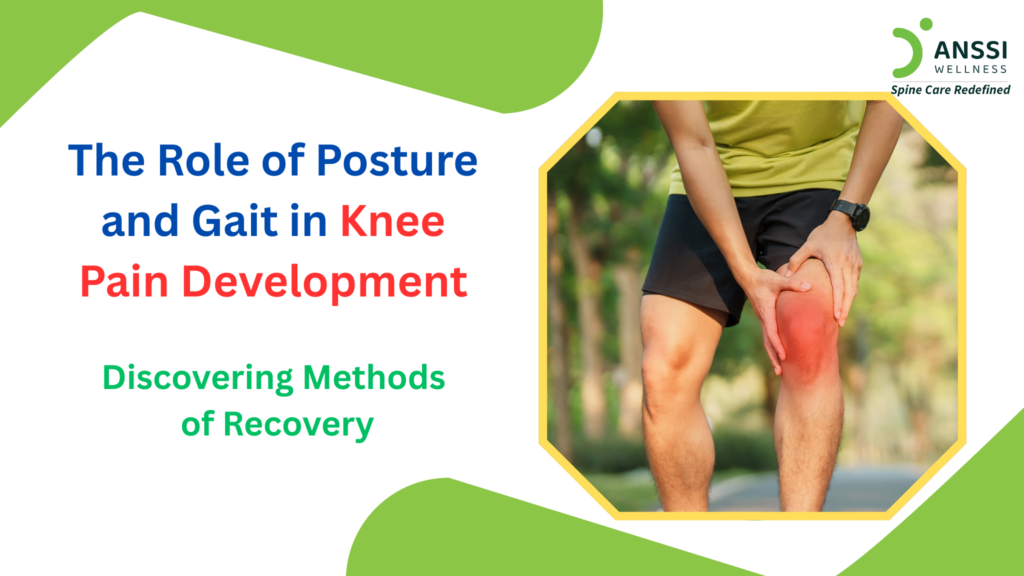
Knee pain is one of the most common musculoskeletal complaints affecting people of all age groups. Many individuals assume that knee pain develops only because of ageing, arthritis, or injury. However, in many cases, the real cause lies in the way a person stands, walks, and moves throughout the day.
Poor posture and abnormal gait patterns can place excessive stress on the knees over time, leading to chronic pain, inflammation, and reduced mobility. Working professionals, elderly individuals, athletes, and people with sedentary lifestyles are especially vulnerable.
Understanding how posture and gait contribute to knee pain is important because treating only the symptoms may provide temporary relief, while correcting the root cause can support long-term recovery.
Understanding Posture and Gait
Posture refers to the way the body is aligned while sitting, standing, or moving. Gait refers to the pattern of walking and how different parts of the body work together during movement.
When posture and gait are balanced, body weight is distributed evenly across the joints and muscles. However, poor alignment can place unnecessary stress on the knees.
The knees do not work independently. Their movement and stability are closely connected to the spine, hips, ankles, and feet. If one part of the body is misaligned, the knees often compensate for the imbalance, leading to increased strain.
Even small changes in walking patterns or posture over time can gradually contribute to chronic knee pain.
How Poor Posture Contributes to Knee Pain
Poor posture affects how body weight is distributed during standing and movement.
- Forward Posture and Uneven Weight Distribution: Many people develop a forward-leaning posture due to prolonged sitting, mobile phone use, or desk work. This shifts body weight unevenly onto the knees and increases joint pressure.
- Muscle Imbalance: Weak core muscles, tight hip muscles, and poor spinal alignment can change the way the knees move during daily activities. This imbalance often causes abnormal stress on the knee cartilage and ligaments.
- Increased Pressure on Knee Structures: Improper posture can overload specific areas of the knee joint, leading to cartilage wear, inflammation, and pain over time. Patients may also experience stiffness and reduced flexibility.
- Sedentary Lifestyle and Poor Body Mechanics: Lack of movement weakens the muscles supporting the knees and spine. Sitting for long periods also reduces flexibility and contributes to postural problems that affect walking mechanics.
- Without correction, these issues can gradually worsen and increase the risk of chronic knee conditions.
How Abnormal Gait Patterns Affect the Knees
Gait abnormalities can significantly increase stress on the knees during movement.
- Limping and Uneven Walking Patterns: Some individuals unconsciously shift weight onto one leg to avoid pain or discomfort. Over time, this uneven loading increases strain on the knees and surrounding joints.
- Flat Feet and Alignment Problems: Foot alignment plays a major role in knee health. Flat feet or improper foot mechanics can alter leg alignment and increase stress on the knees while walking.
- Overloading One Side of the Body: Poor gait may cause one side of the body to work harder than the other. This imbalance can contribute to joint wear, inflammation, and muscle fatigue.
- Risk of Degeneration: When abnormal movement patterns continue for long periods, they may accelerate joint degeneration and increase the risk of osteoarthritis and chronic knee pain.
Correcting gait issues early is important for protecting long-term joint health.
Symptoms That May Be Linked to Posture and Gait Issues
Many symptoms associated with knee pain may actually be related to posture and gait problems.
Common symptoms include:
- Knee pain while walking or climbing stairs
- Stiffness after sitting or standing for long periods
- Swelling or discomfort around the kneecap
- Feeling of instability or imbalance while walking
- Reduced flexibility and mobility
Some patients also experience pain in the hips, lower back, ankles, or feet along with knee discomfort. This often indicates that the entire body alignment is being affected.
Ignoring these symptoms can lead to worsening joint stress and chronic pain.
Non-Surgical Treatments for Long-Term Relief
The good news is that many posture- and gait-related knee problems can be treated effectively without surgery.
Posture Correction and Gait Training
Corrective exercises and movement training help improve body alignment and walking patterns. Specialists analyse how patients stand and walk to identify abnormal movement habits.
Improving posture and gait reduces unnecessary stress on the knees and improves movement efficiency.
Physiotherapy and Muscle Strengthening
Physiotherapy helps strengthen the muscles supporting the knees, hips, and spine. Stronger muscles improve stability, balance, and joint support.
Stretching exercises also improve flexibility and reduce stiffness.
Weight Management and Ergonomic Guidance
Maintaining a healthy weight reduces pressure on the knees during daily activities. Ergonomic advice regarding sitting posture, footwear, and workplace setup also supports better joint health.
Advanced Non-Surgical Knee Rehabilitation Programs
Modern rehabilitation programs focus on restoring proper movement mechanics, reducing inflammation, and improving overall mobility. Personalised treatment plans help patients recover safely and effectively.
Pain Management Without Long-Term Medication
Instead of relying only on painkillers, non-surgical care focuses on addressing the underlying cause of pain naturally through rehabilitation, strengthening, and movement correction.
Benefits of Corrective Non-Surgical Care
Corrective non-surgical treatments offer several important benefits.
- They improve body alignment and movement efficiency, reducing stress on the knees and surrounding joints. Patients often experience better balance, improved mobility, and reduced pain during daily activities.
- Because these treatments focus on the root cause rather than temporary symptom relief, they also help reduce the chances of future knee problems.
- Non-invasive care allows patients to continue their normal routines while gradually improving their overall joint health and posture.
Book Consultation:
Call +91 9004726844 | 9920936844
Visit www.anssiwellness.com
References:
- Tahir M, Maqsood M, Azhar N, Safdar Z, Amin U, Waheed TS. Association of Knee Pain in Long Standing and Sitting among University Teachers: Association of Knee Pain in University Teachers. HJPRS [Internet]. 2023 Feb. 12 [cited 2026 May 15];3(1):314-21.
- Misu, S.; Asai, T.; Murata, S.; Nakamura, R.; Isa, T.; Tsuboi, Y.; Oshima, K.; Koyama, S.; Sawa, R.; Fukumoto, Y.; et al. Association between Abnormal Gait Patterns and an Elevated Degree of Pain after Daily Walking: A Preliminary Study. Int. J. Environ. Res. Public Health 2022, 19, 2842.
About ANSSI:
ANSSI Wellness focuses on improving the quality of life for patients suffering from knee issues, aiming to provide relief where other conventional treatments have failed. Through Advanced Knee Rehabilitation Treatment, ANSSI is committed to helping patients avoid surgery and recover in a safe, effective, and compassionate environment.
Connect with ANSSI Wellness on LinkedIn, Instagram, and Facebook for expert guidance.